What to Do After a Basement Floods Overnight
What to Do After a Basement Floods Overnight
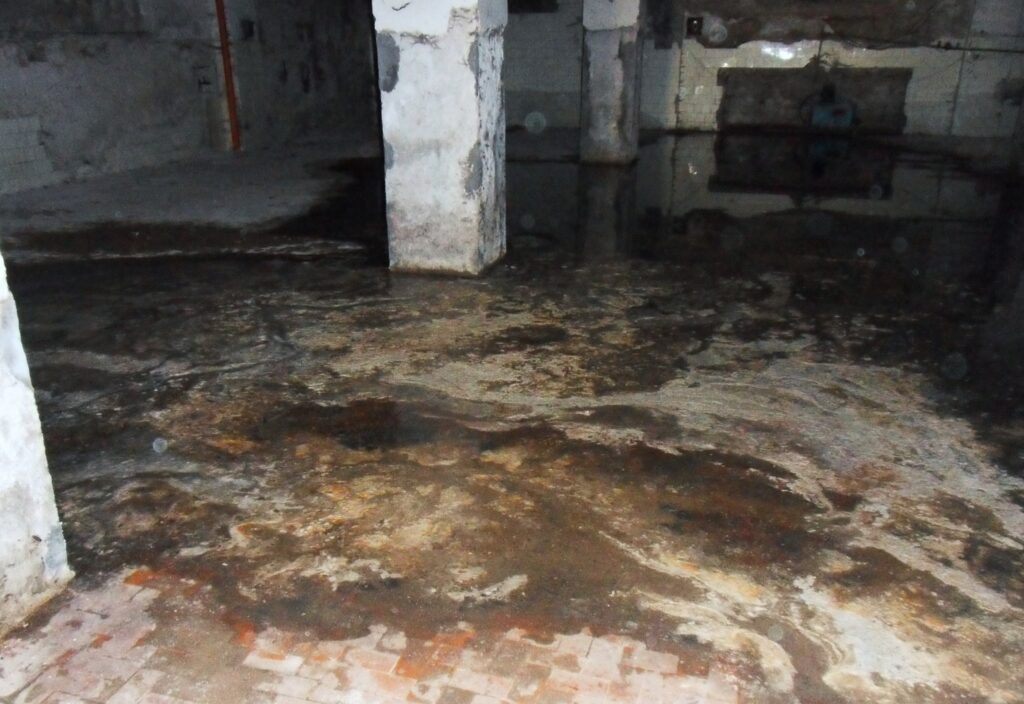
Waking up to a flooded basement is a terrible way to start the day. You’re rubbing your eyes, thinking about coffee and breakfast. The next thing you know, you’re staring at several inches of water where your laundry room used to be.
Whether the cause is a late-night downpour, a failed sump pump, or a burst pipe, knowing what to do immediately after a basement floods can mean the difference between a manageable cleanup and thousands of dollars in additional water damage.
The good news is that you don’t have to solve everything at once. Here’s how to handle a basement flood overnight, starting with the steps that matter most.
Safety Checks Before Entering a Flooded Basement
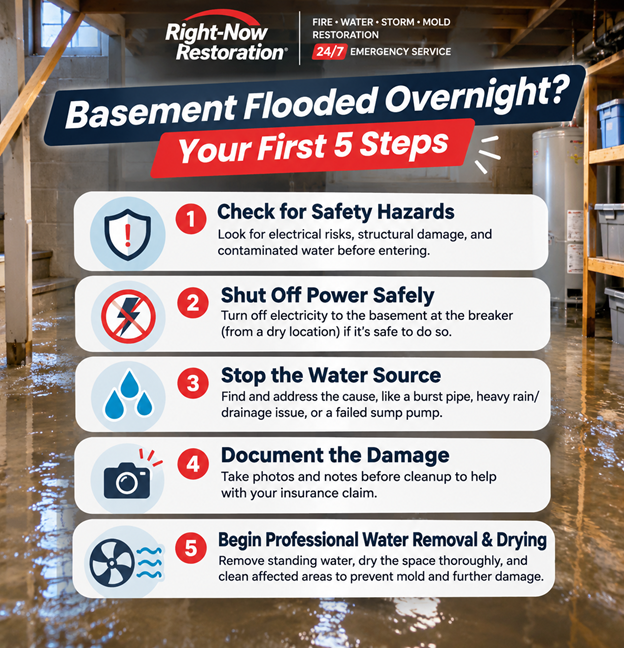
Before you enter a flooded basement, check for:
- Electrical hazards
- Structural damage
- Contaminated water
Stay out if water is touching electrical equipment, walls look unstable, or sewage is present. Wear waterproof boots and gloves only when the area has been deemed safe.
When in doubt, contact a qualified professional before entering.
Check for Electrical Hazards
Water and electricity can be a deadly combination. If standing water has reached outlets, appliances, or electrical panels, don’t enter the basement. And never touch electrical equipment while standing in water. Even a shallow flood can create a shocking experience.
Look for Structural Damage
Check your basement for major cracks, bowing walls, sagging ceilings, or shifting supports. These warning signs usually indicate structural problems that make entering unsafe. If you notice significant damage, stay out of the basement until professional help arrives.
Wear Protective Gear (Boots, Gloves)
If the basement is confirmed safe to enter, wear waterproof boots, heavy-duty gloves, and protective clothing. Avoid direct contact with floodwater, and make sure any cuts or scrapes are covered.
Regular sneakers aren’t going to cut it here.
Watch for Contaminated Water
Don’t assume the floodwater is clean, even when it looks clear. Sewage backups, stormwater, and groundwater can contain bacteria, chemicals, and other contaminants. If you think the water is contaminated, avoid contact and leave cleanup to the pros.
Pro Tip: Take pictures or videos from a safe location before moving anything around. These images can help document damage for your insurance claim.
What to Do After Basement Floods Overnight
Once all of the immediate hazards have been dealt with, the next item on the agenda is stopping additional water and limiting damage. These are the essential steps to take after a basement floods overnight.
Turn Off Electricity to the Basement
If you can safely access the electrical panel from a dry location, shut off power to the affected area. If the panel is flooded, inaccessible, or even a little wet, don’t attempt it yourself.
Contact your utility provider or a licensed electrician.
Identify and Stop the Water Source
Try to determine where the water is coming from without entering unsafe areas.
- Burst Pipe: Locate the main shutoff valve and shut off the home’s main water supply.
- Heavy Rainfall: Check gutters, downspouts, and exterior drainage once conditions are safe.
- Sump Pump Failure: Have the system inspected before attempting repairs.
- Sewage Backup: Stop using plumbing fixtures and contact a professional.
Stopping the source prevents additional water from entering while cleanup is underway.
Remove Standing Water
Once the area is electrically and structurally safe, water removal can begin. Small amounts of clean water may be manageable with a wet/dry vacuum, but larger floods typically require professional extraction equipment.
Avoid operating electrical equipment in wet conditions or using ordinary household vacuums.
Pro Tip: A severely flooded basement shouldn’t be pumped too quickly when surrounding groundwater remains high. Pressure differences can damage basement walls or floors. Consult a qualified professional before attempting to remove deep floodwater.
Why Basements Flood Overnight
Basement flooding always seems to happen without warning. In reality, water can build up for hours before anyone notices.
Heavy Rainfall & Poor Drainage
During periods of prolonged rainfall, saturated soil presses against foundation walls. This can force water through cracks, window wells, and poorly sealed openings. Clogged gutters and downspouts that discharge near the foundation only make matters worse.
Sump Pump Failure
Sump pumps are meant to remove water before it accumulates. Unfortunately, power outages, mechanical failures, and clogged discharge lines can leave them unable to keep up. And naturally, sump pumps rarely choose a convenient time to stop working.
Burst or Leaking Pipes
A broken supply line can release a large amount of water while you’re sleeping. Washing machine hoses, water heaters, and aging plumbing connections are common trouble spots.
Pro Tip: If your basement is prone to recurring floods, you need to find the underlying cause rather than treating each flood as an isolated emergency.
How to Dry and Clean a Flooded Basement
Removing the water you can see is only the beginning. Moisture can remain trapped inside drywall, insulation, flooring, and framing long after the basement looks dry. If not promptly addressed, this can lead to hidden water damage and mold growth.
Professional restoration generally involves the following process:
|
Steps |
What Happens |
|
Standing water is removed using specialized equipment. |
|
Moisture meters help identify hidden moisture. |
|
Unsalvageable or contaminated materials are removed. |
|
Air movers and dehumidifiers remove remaining moisture. |
|
Affected surfaces are cleaned and sanitized as appropriate. |
|
Moisture readings confirm drying goals have been met. |
The drying process may take several days or more, depending on:
- The severity of the flood
- What materials were affected
- Indoor conditions
And remember, just because the floor no longer feels wet doesn’t mean your basement is fully dry. Professionals will monitor moisture levels until desired levels are achieved.
How to Prevent Mold After a Basement Flood
Mold prevention starts with prompt water removal and thorough drying. According to the EPA, wet materials should generally be dried within 24–48 hours to help prevent mold growth. That means addressing hidden moisture, not just running a fan and hoping for the best. Remove all water-damaged materials that can’t be adequately cleaned or dried, control indoor humidity, and inspect concealed areas where moisture may linger.
For extensive flooding, contaminated water, or persistent dampness, professional help is the safest approach. Right-Now Restoration provides 24/7 emergency water damage restoration services, including water extraction, structural drying, and mold-related cleanup.
If your basement flooded overnight, don’t wait for the damage to spread. Contact Right-Now Restoration for prompt assistance and a professional assessment.