Mold Removed.
Source Fixed.
Never Coming Back.
We don't just treat what you can see. We find the moisture source, contain the contamination, and remediate completely — with full documentation for your insurance claim.
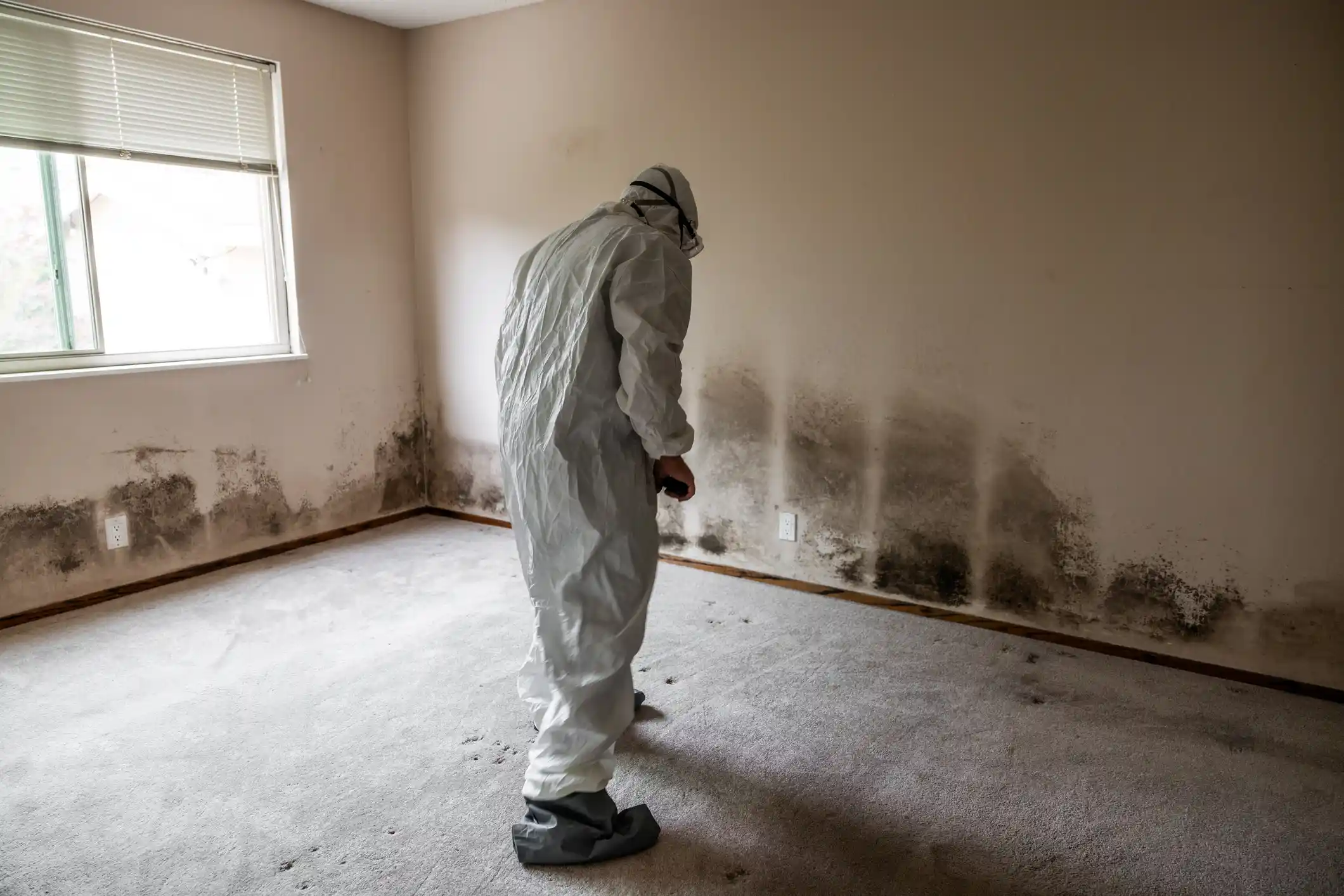
Mold Is a Symptom.
Moisture Is the Problem.
Most mold treatments fail because they address what's visible while leaving the root cause untouched. Spray the surface, paint over it, and the mold comes back — often worse — within weeks.
Our remediation process starts with finding exactly where moisture is entering or accumulating. Until that source is corrected, no mold treatment is permanent. We fix both — the contamination and the cause — so you don't find yourself dealing with the same problem six months from now.
Every project includes thorough documentation of the mold extent, the moisture source, and the remediation work completed — prepared specifically for your insurance carrier if a covered event was involved. Learn more about how we manage insurance claims directly.
6 Signs You May Have a Mold Problem
Persistent Musty Odor
A musty smell that doesn't go away after cleaning — especially in basements, closets, or bathrooms — is one of the earliest and most reliable indicators of active mold growth.
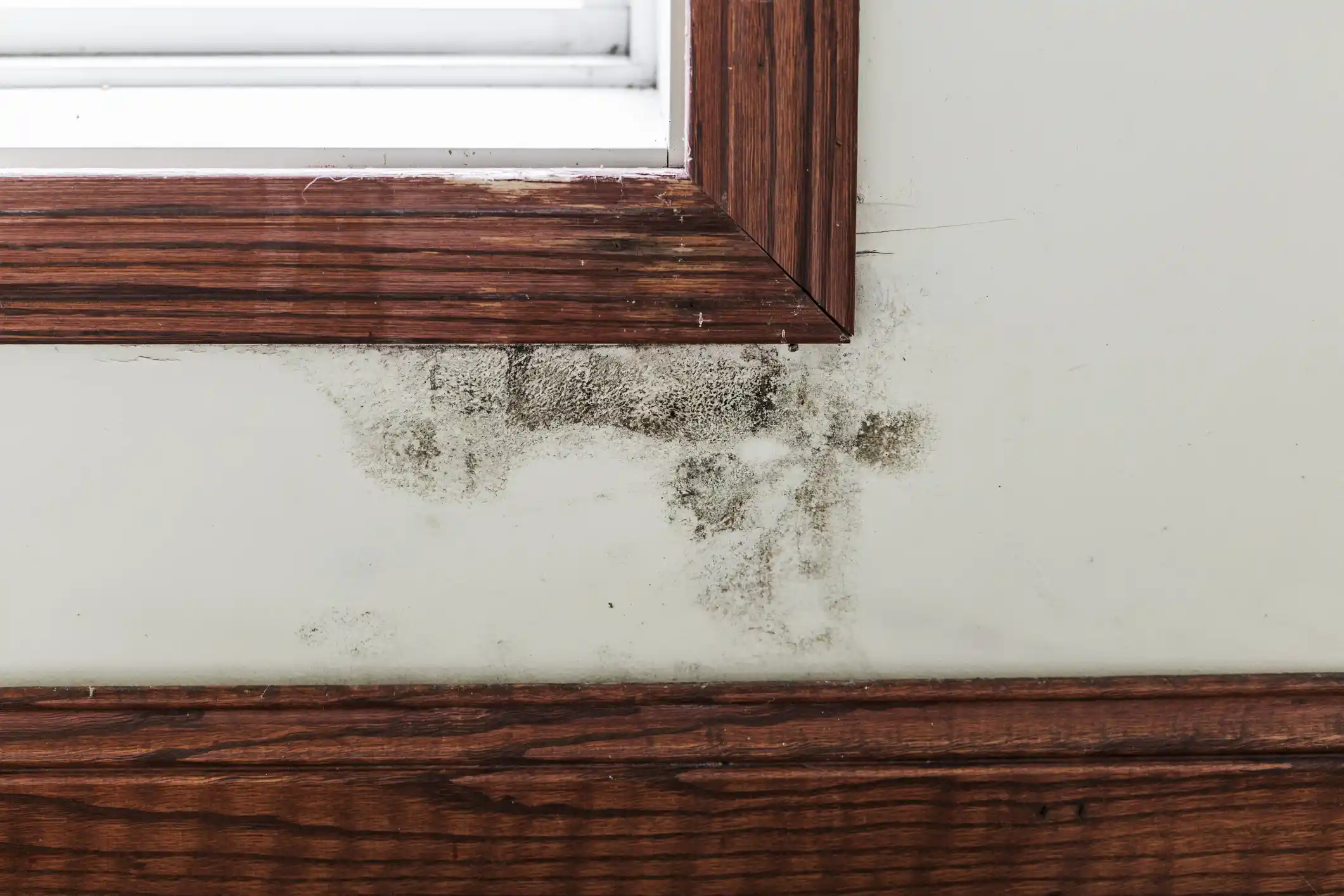
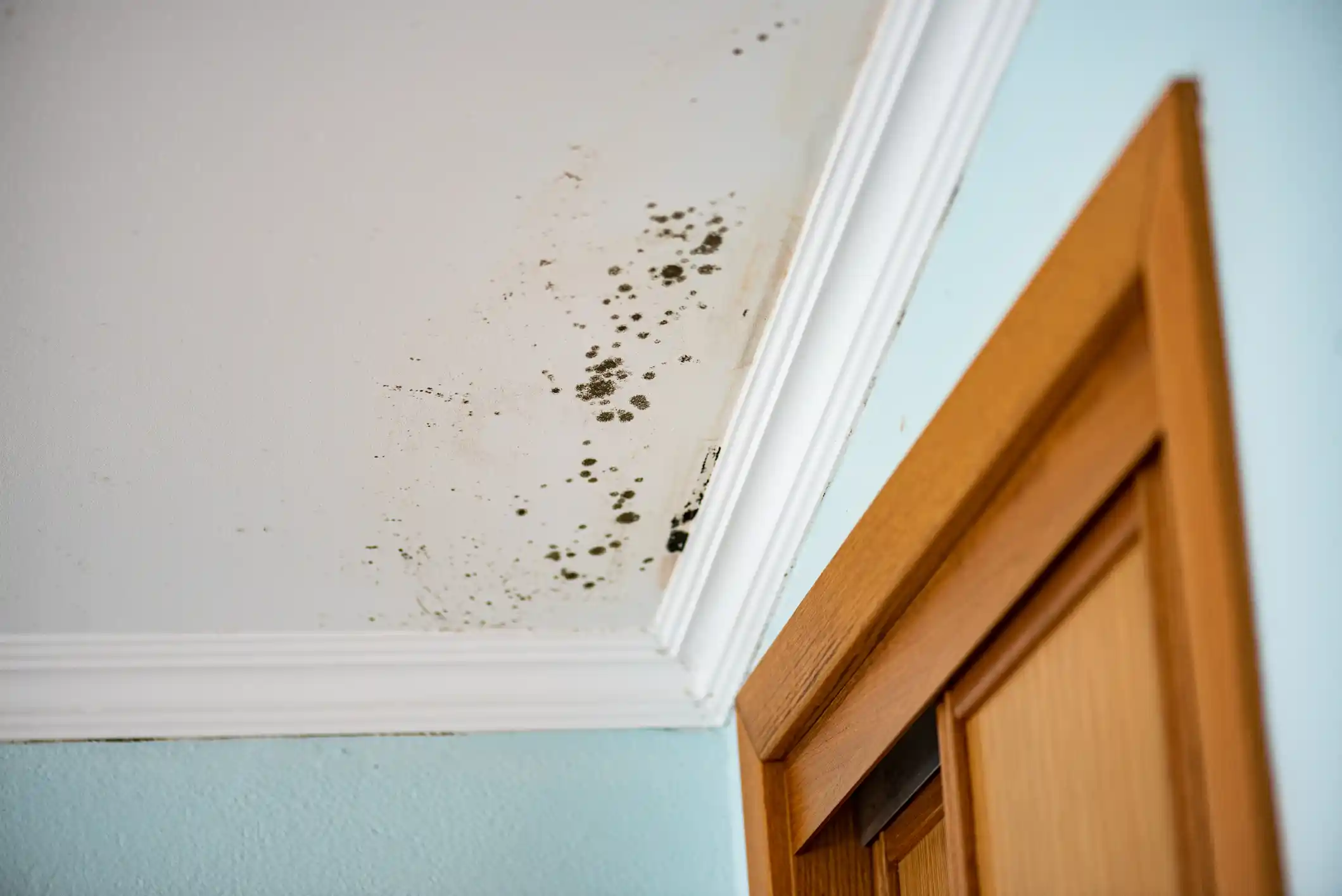
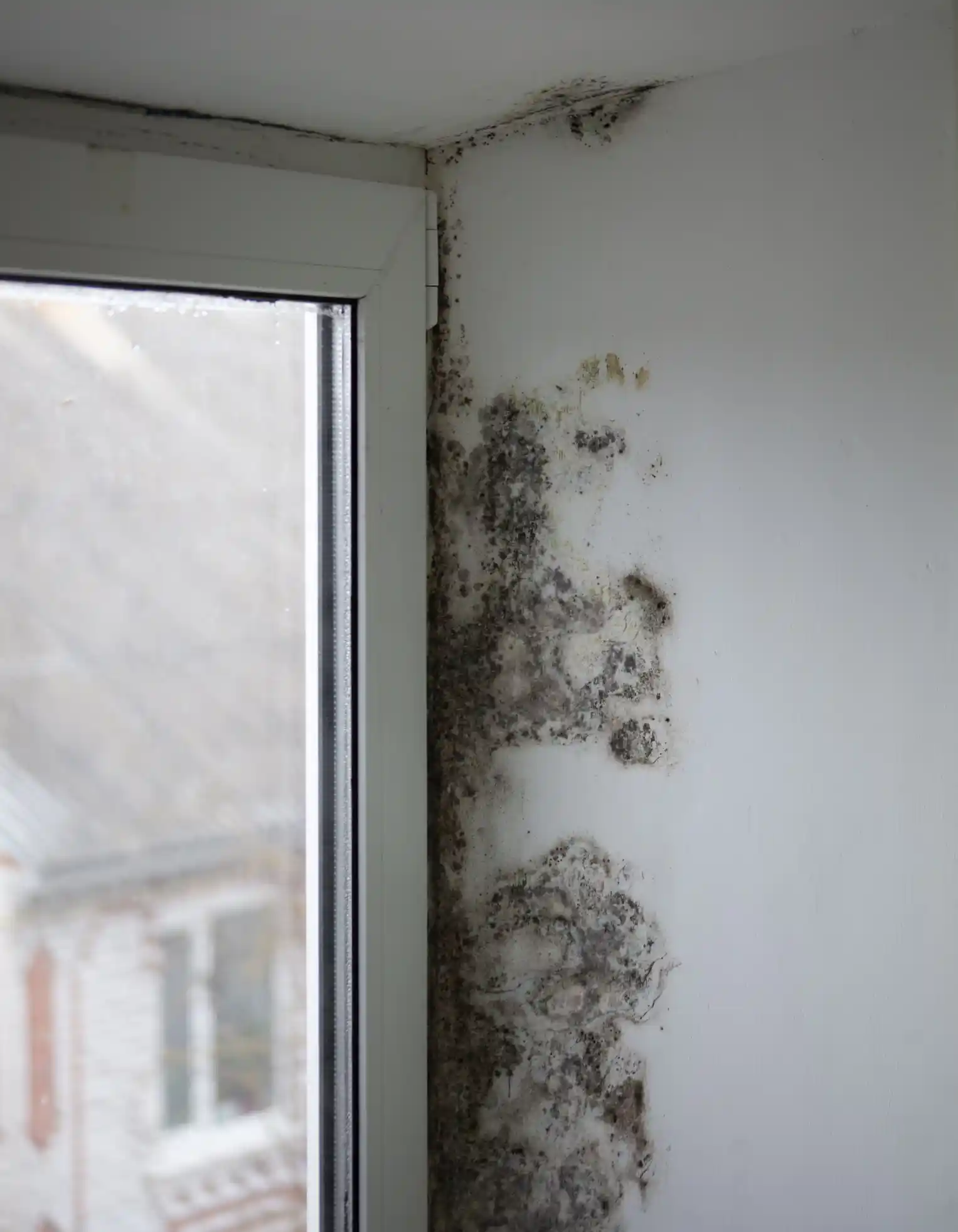
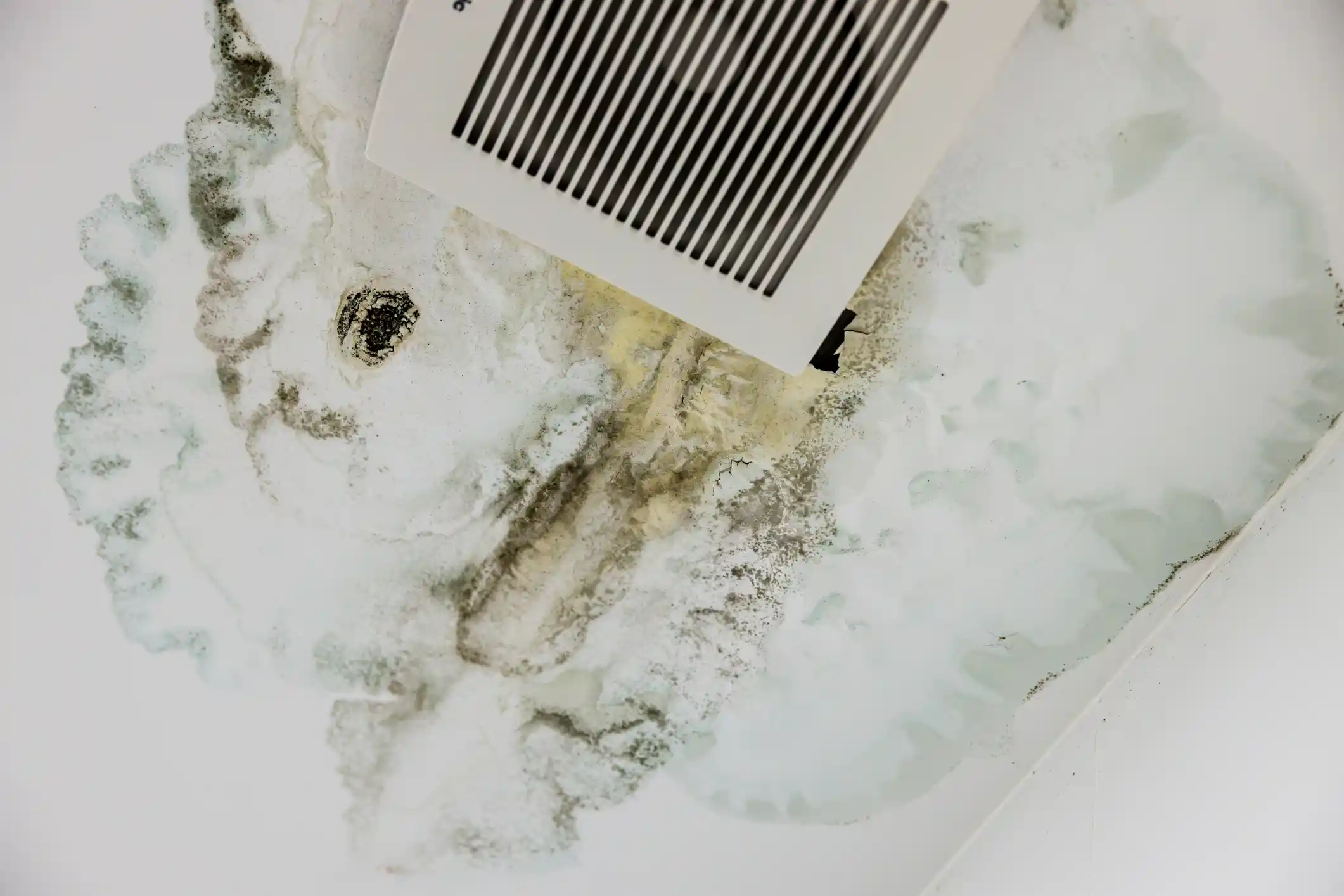
Visible Dark Spots or Patches
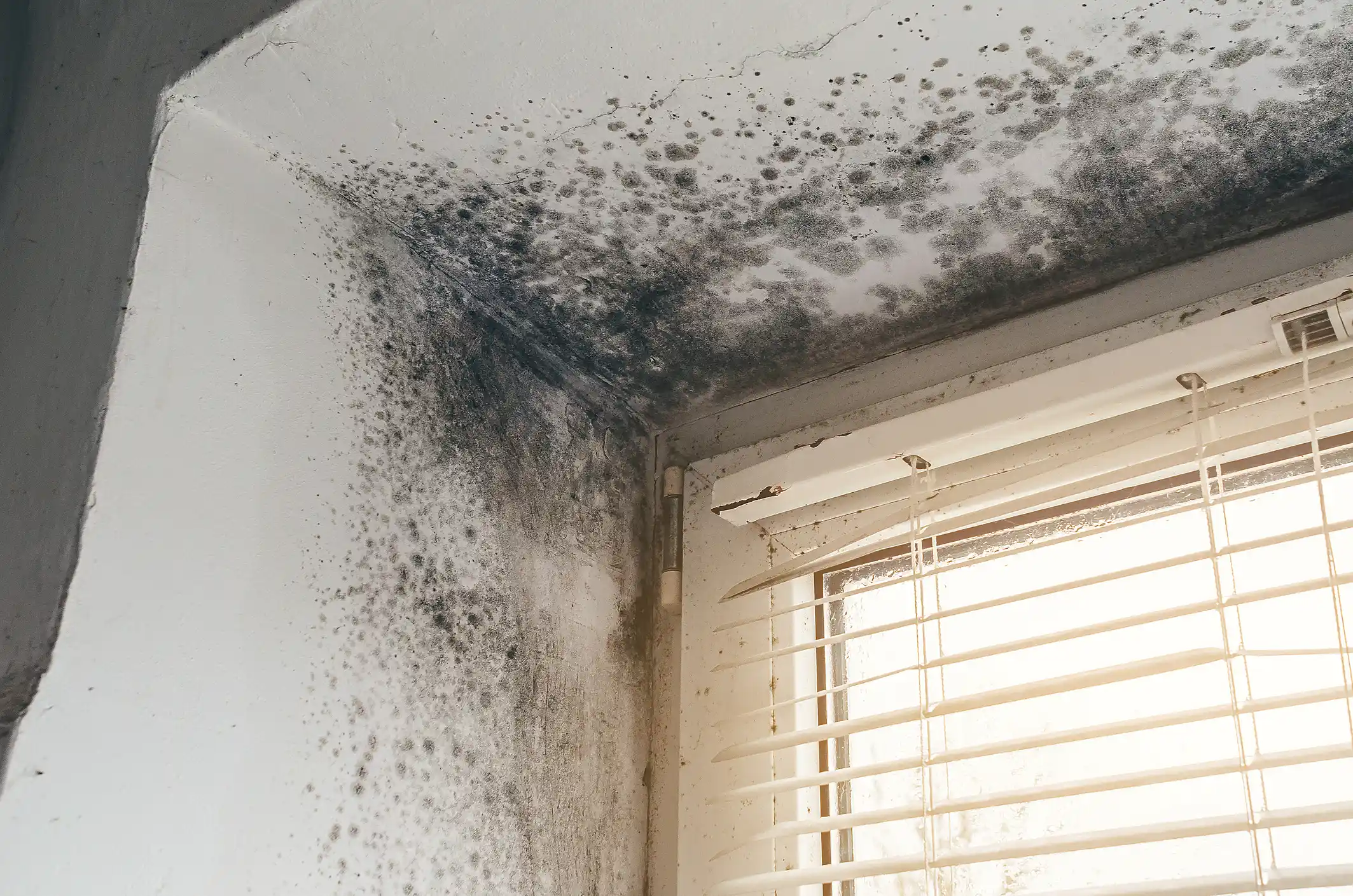
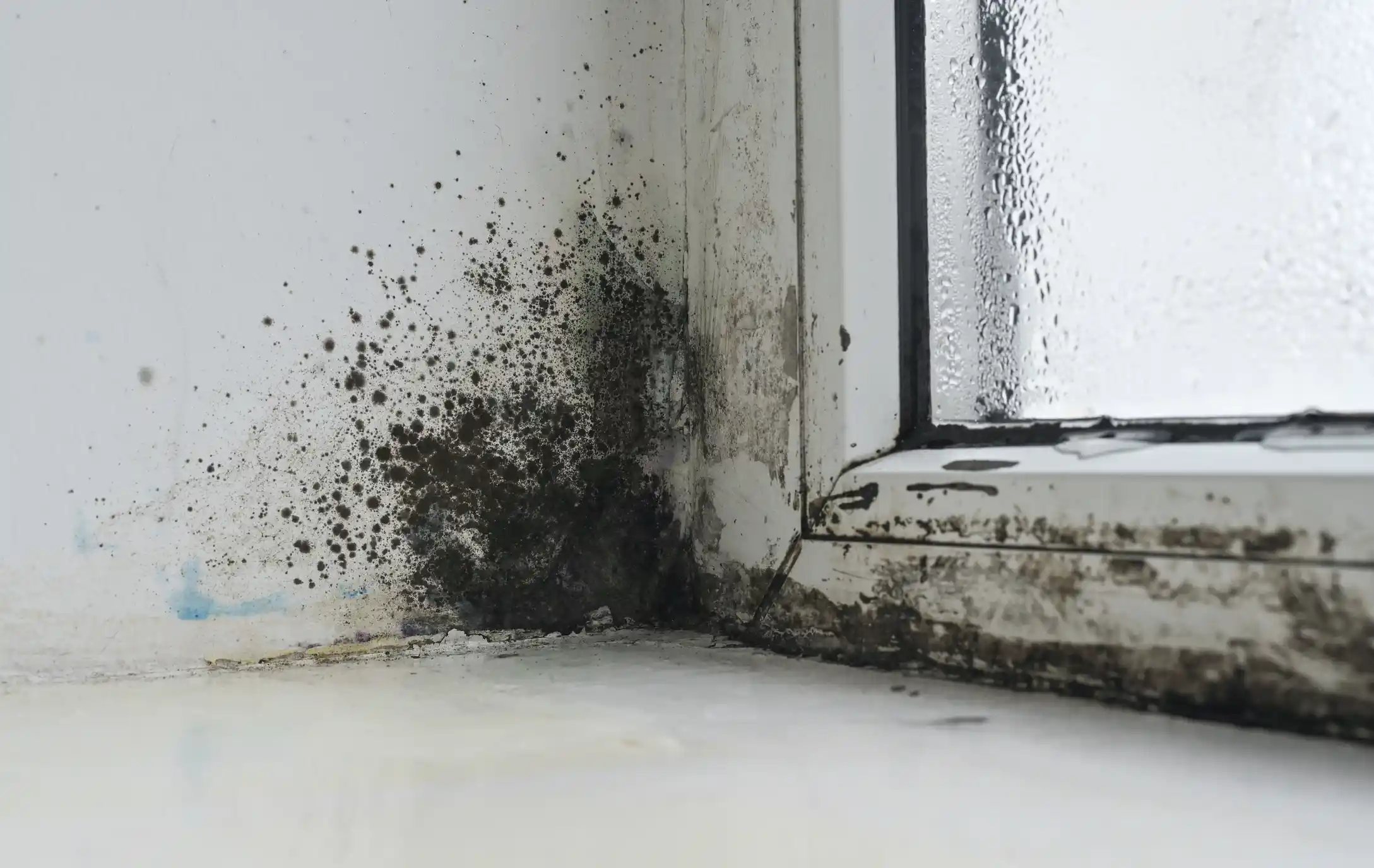
Black, green, or gray spots on walls, ceilings, or grout lines are the most obvious sign. Visible mold is often just a fraction of what's growing inside walls and under floors.
Recent Water Damage or Leaks
Any area that has been wet for more than 48 hours without proper drying is at serious risk for mold growth — even if no mold is yet visible.
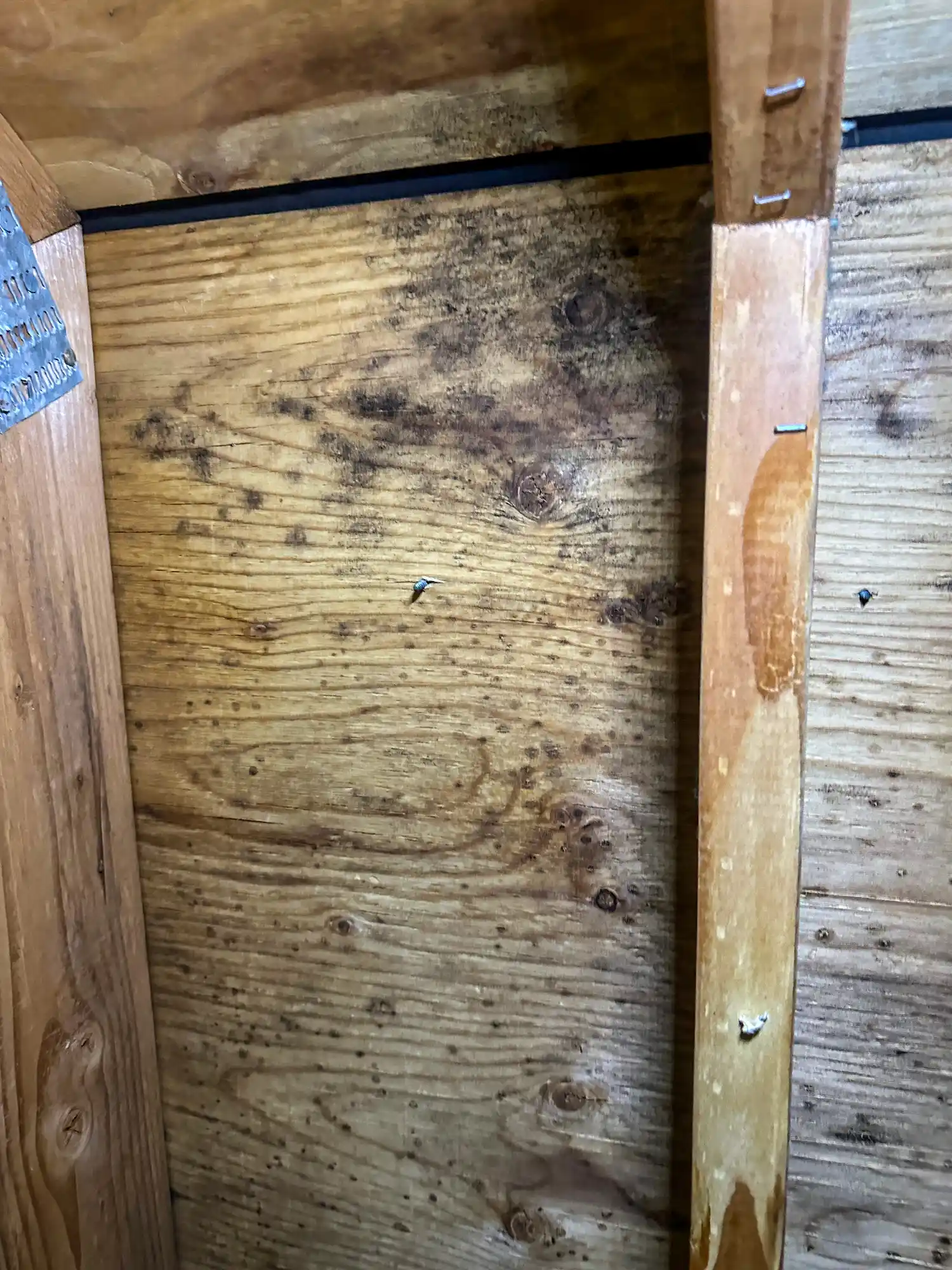
Mold in Hidden or Unexpected Areas
Mold in attics, crawl spaces, or inside walls — areas you rarely see — is often the most advanced and damaging. These locations are prime environments for unchecked growth.
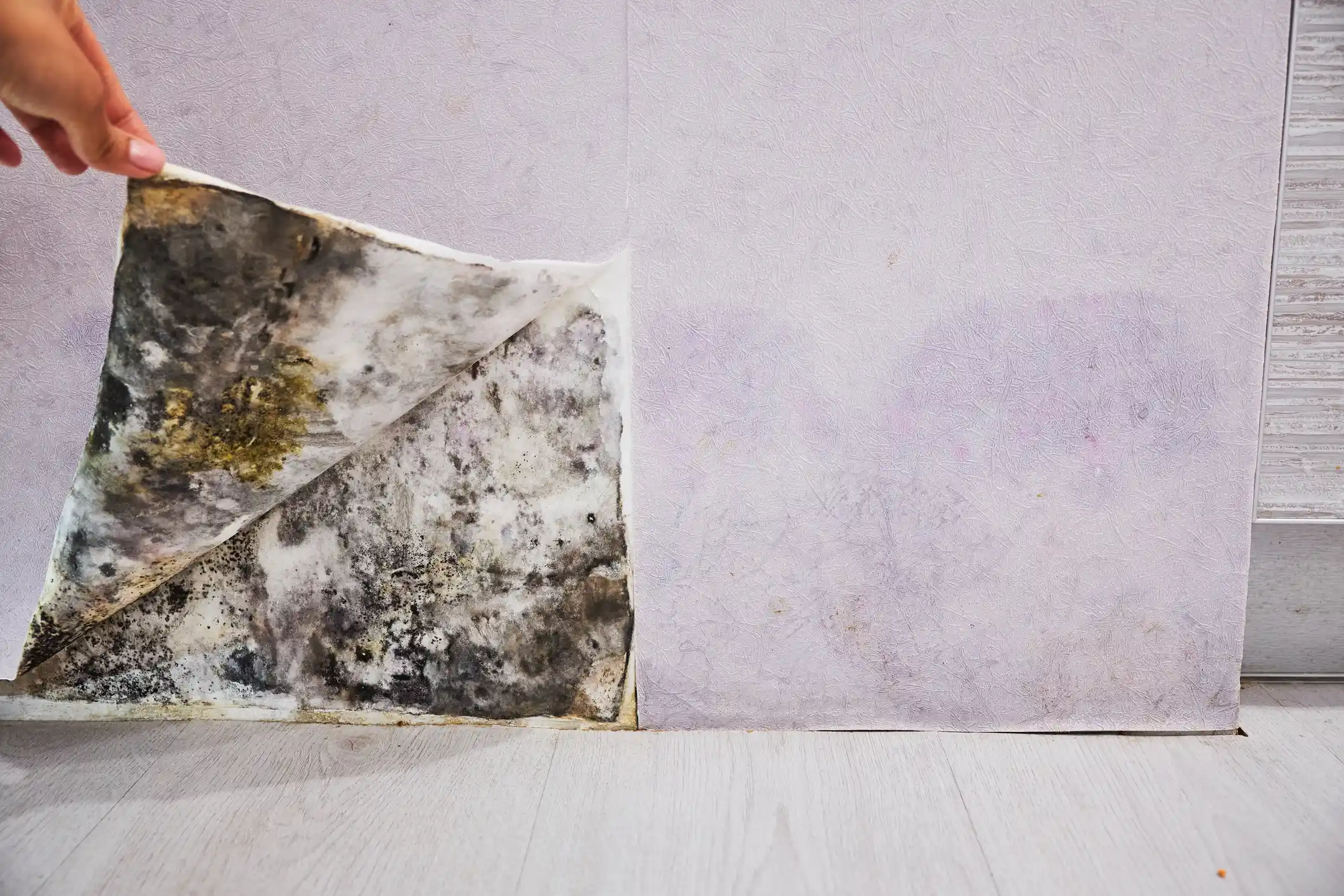
Peeling Paint or Bubbling Walls
Paint that bubbles, peels, or pulls away from a wall often signals water trapped behind the surface and mold beginning to develop where you can't yet see it.
Mold Near Electrical Outlets or Baseboards
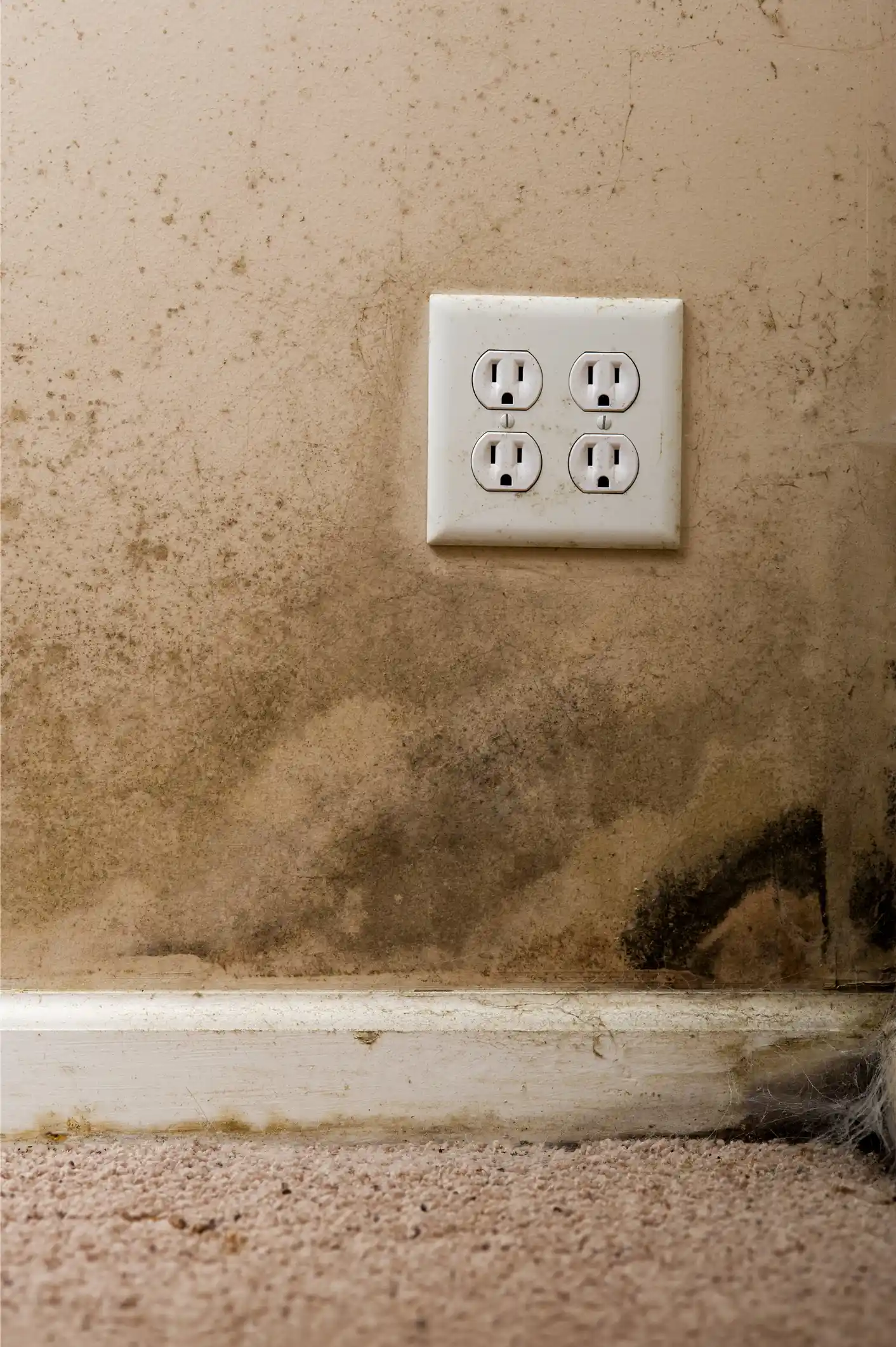
Mold appearing near outlets, baseboards, or in dry-seeming rooms almost always points to a hidden leak or moisture source inside the wall cavity feeding it.
How We Remediate Mold — Start to Finish
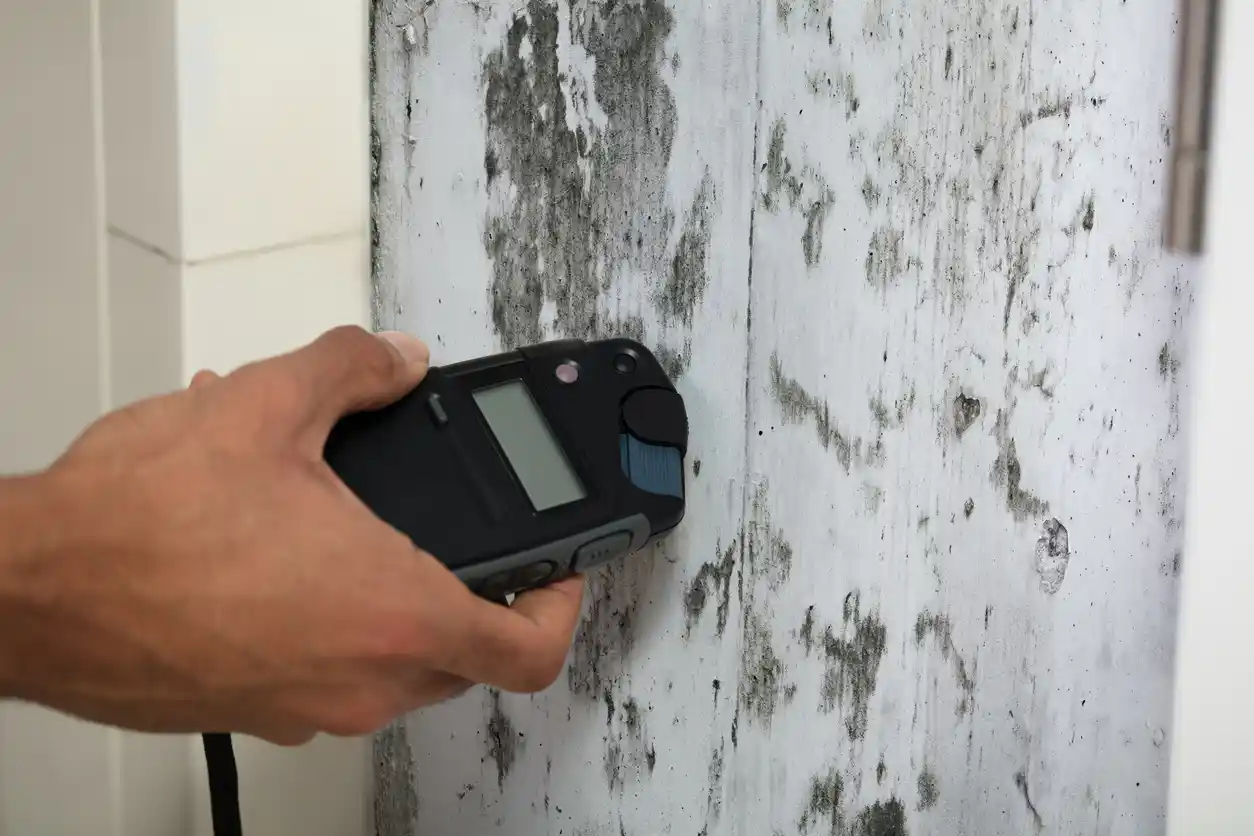
Inspection & Assessment
We identify all mold-affected areas using moisture meters, thermal imaging, and visual inspection — including inside walls and under flooring where mold hides.
Containment
We isolate the affected area with physical barriers and negative air pressure to prevent spores from spreading to unaffected parts of the home during remediation.
Air Scrubbing
HEPA air scrubbers run continuously throughout the project to capture airborne mold spores and improve interior air quality from day one.
Mold Removal & Treatment
Affected materials are safely removed and disposed of. Salvageable surfaces are treated with EPA-registered antimicrobial agents and dried to prevent regrowth.
Moisture Correction & Clearance
We address the moisture source, verify all affected areas are dry, and provide complete post-remediation documentation for your insurance carrier and your records.
What Mold Does to Your Home — and Your Health
Mold is more than an aesthetic problem. Prolonged exposure — especially to species like Stachybotrys (black mold) — can have serious health consequences for the people living in the home, particularly children, the elderly, and anyone with respiratory conditions.
The structural impact compounds over time as well. Mold consumes organic building materials — wood framing, drywall, insulation — weakening the structure of the home the longer it is left untreated.
Respiratory Problems
Mold spores irritate the lungs and airways, causing coughing, wheezing, and shortness of breath — particularly severe for asthma sufferers.
Chronic Sinus & Allergy Symptoms
Persistent congestion, sneezing, and itchy eyes that fail to respond to standard allergy medication are common signs of ongoing mold exposure.
Fatigue & Cognitive Issues
Mycotoxins produced by certain mold species can cause neurological symptoms including brain fog, fatigue, and difficulty concentrating.
Structural Damage to the Home
Mold digests organic material. Drywall, wood framing, and insulation all deteriorate the longer mold is present — increasing repair costs significantly over time.
Reduced Property Value
Unresolved mold must be disclosed in home sales and can significantly reduce a property's market value or make it unsaleable until remediated.
What Sets Our Mold Remediation Apart
Every remediation begins with a thorough inspection using thermal imaging and moisture meters. We locate every moisture source before any removal work begins — so the mold doesn't return.
All mold remediation work is performed by licensed, trained technicians following EPA and IICRC guidelines. You are protected and compliant throughout the entire project.
We prepare complete remediation reports, moisture readings, and photo documentation formatted specifically for insurance carriers — and communicate with your adjuster directly.
Mold spreads fast. We respond the same day you call, assess the full extent of the problem, and begin containment immediately to stop the contamination from growing.
You receive a detailed written estimate covering everything — scope, timeline, and cost — before a single hour of work begins. No surprises, no hidden charges.
We don't close a job until post-remediation testing confirms the affected area is clear. You get documented proof that the mold has been fully eliminated.
We Handle Your Insurance Claim Directly.
If your mold problem resulted from a covered event — a burst pipe, storm damage, or appliance leak — your homeowner's insurance may cover part or all of the remediation cost. We help you maximize that coverage.
We work directly with all major carriers










Coverage depends on the cause of the mold. We help determine what your policy covers and build the documentation needed to support your claim.
Mold Remediation — Frequently Asked Questions
Mold spreads. Waiting makes it worse.
Mold colonies can double in size every 24 to 48 hours. The sooner remediation begins, the smaller the scope — and the lower the cost.
Get a Free Mold Assessment Today.
Fill out the form and a team member will call you within minutes. We'll assess the extent of your mold problem, identify the source, and walk you through your options — at no charge.