The Fire Is Out.
But the Damage Isn't Done.
Smoke and soot continue damaging your home long after the flames are extinguished — penetrating walls, contaminating HVAC systems, and permanently bonding to surfaces. We stop it before it becomes irreversible.
Soot begins bonding permanently to surfaces within hours. The sooner treatment starts, the more can be cleaned rather than replaced.
By submitting you agree to receive calls & texts from Right-Now Restoration Group LLC. Consent not required for service. Reply STOP to opt out. Msg & data rates may apply. Privacy Policy.
Not All Smoke Damage Is the Same
Different types of fires produce different types of smoke residue — each requiring different cleaning techniques. Misidentifying the smoke type leads to permanent damage. Our technicians assess the correct type before any cleaning begins.
Wet Smoke
From low-heat, smoldering fires. Produces thick, sticky residue with a strong pungent odor. Smears easily if cleaned incorrectly — requires specialized dry cleaning techniques first.
Dry Smoke
From fast-burning, high-temperature fires. Produces fine, powdery residue that penetrates deeply into porous materials. Easier to clean but spreads easily if disturbed.
Protein Smoke
From kitchen fires involving food or grease. Nearly invisible residue that discolors surfaces and produces an extremely persistent odor. Often underestimated and requires specific enzymatic treatment.
Chemical / Synthetic Smoke
From burning plastics, rubber, or synthetic materials. Highly toxic residue with acidic compounds that aggressively corrode metals, electronics, and surfaces within hours.
Smoke Goes Where You Can't See It
Even a small, contained fire can leave smoke damage throughout an entire home. Smoke travels through every gap and opening — affecting rooms that never saw a flame.
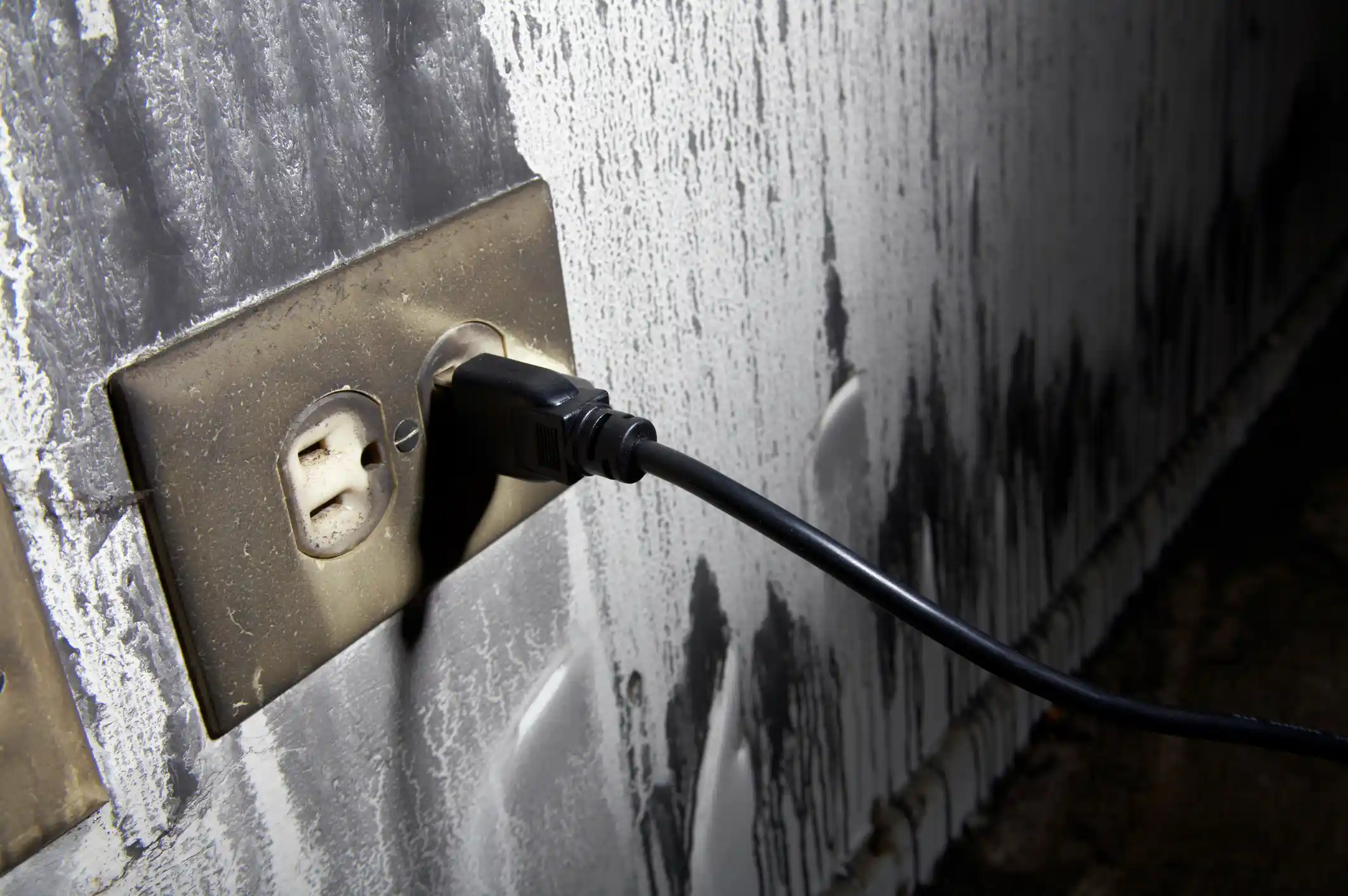
Walls, Ceilings & Surfaces
Soot deposits on every exposed surface — walls, ceilings, trim, and cabinets. The acidic residue begins etching and staining within hours if left untreated.
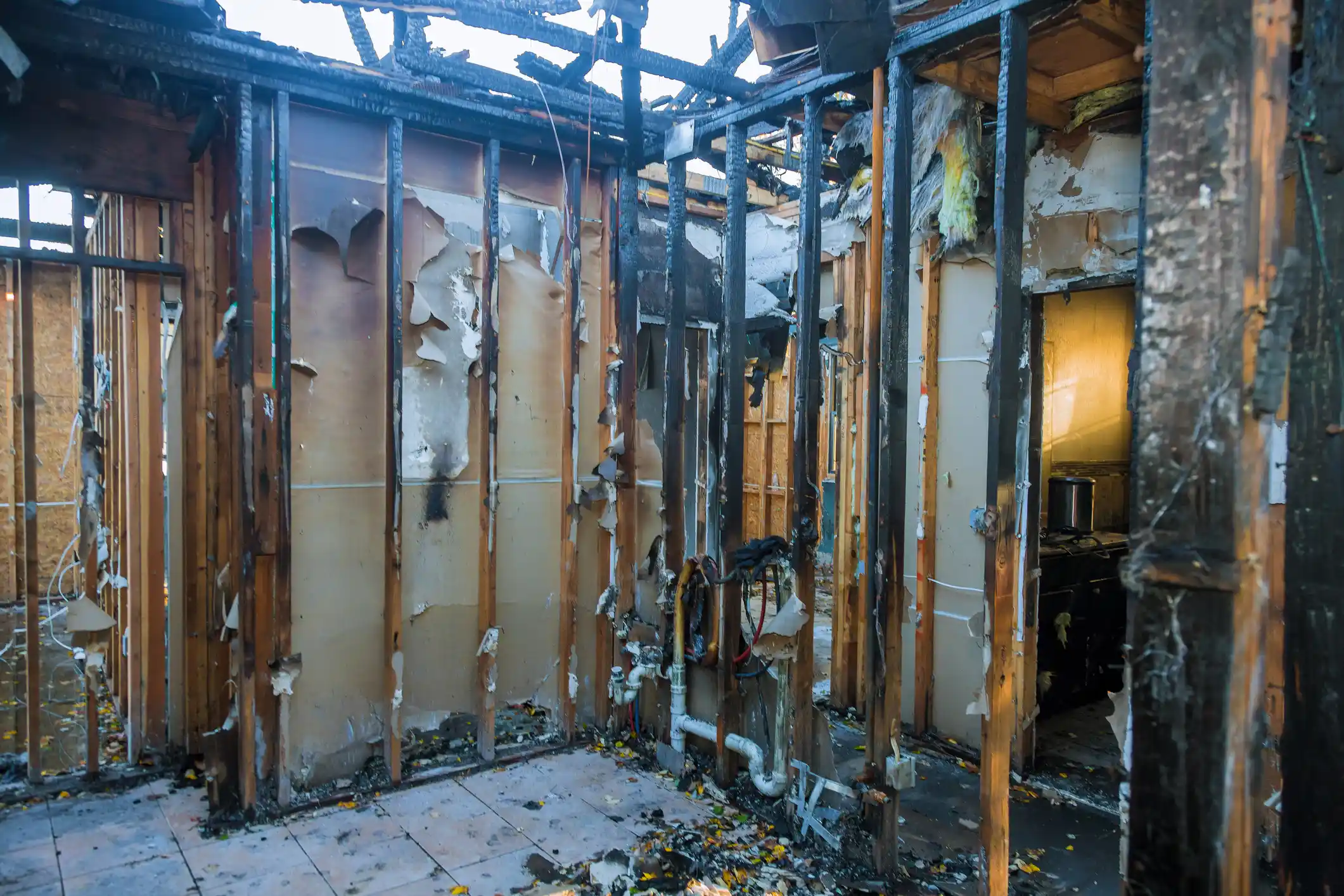
Inside Wall Cavities & Insulation
Smoke travels through wall penetrations and gaps into structural cavities, saturating insulation and framing with odor-causing compounds that are invisible from the surface.
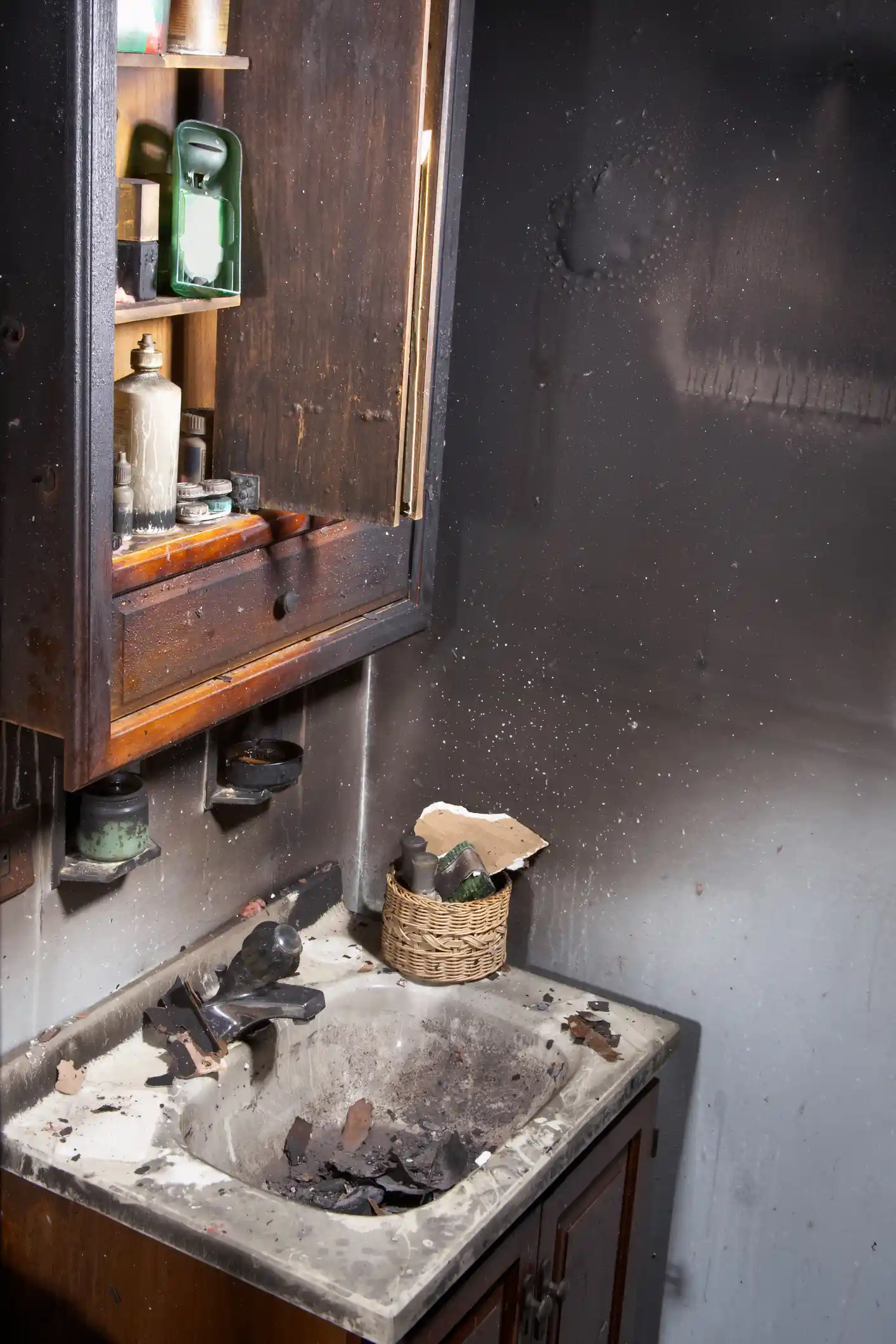
HVAC Systems & Ductwork
If your HVAC ran during or after the fire, smoke was pulled into the ductwork and distributed throughout every room in the home. HVAC cleaning is critical to full odor elimination.
Professional Methods That Actually Work.
Painting over soot or using air fresheners will not eliminate smoke damage — they mask it temporarily and allow it to return. These are the industry-grade techniques we use.
Specialized dry chemical sponges lift loose soot from surfaces before any wet cleaning begins — preventing smearing, which would permanently embed the residue deeper into the material.
Alkaline cleaners neutralize the acids in smoke residue, allowing safe removal from walls, ceilings, hard surfaces, and structural materials without causing further damage.
A heated deodorizing fog penetrates the same pathways smoke traveled — into wall cavities, fabric, and structural materials — neutralizing odor molecules at their source rather than masking them.
High-concentration ozone generators break down and permanently destroy odor-causing compounds in the air and embedded in materials — the most effective method for severe smoke odor.
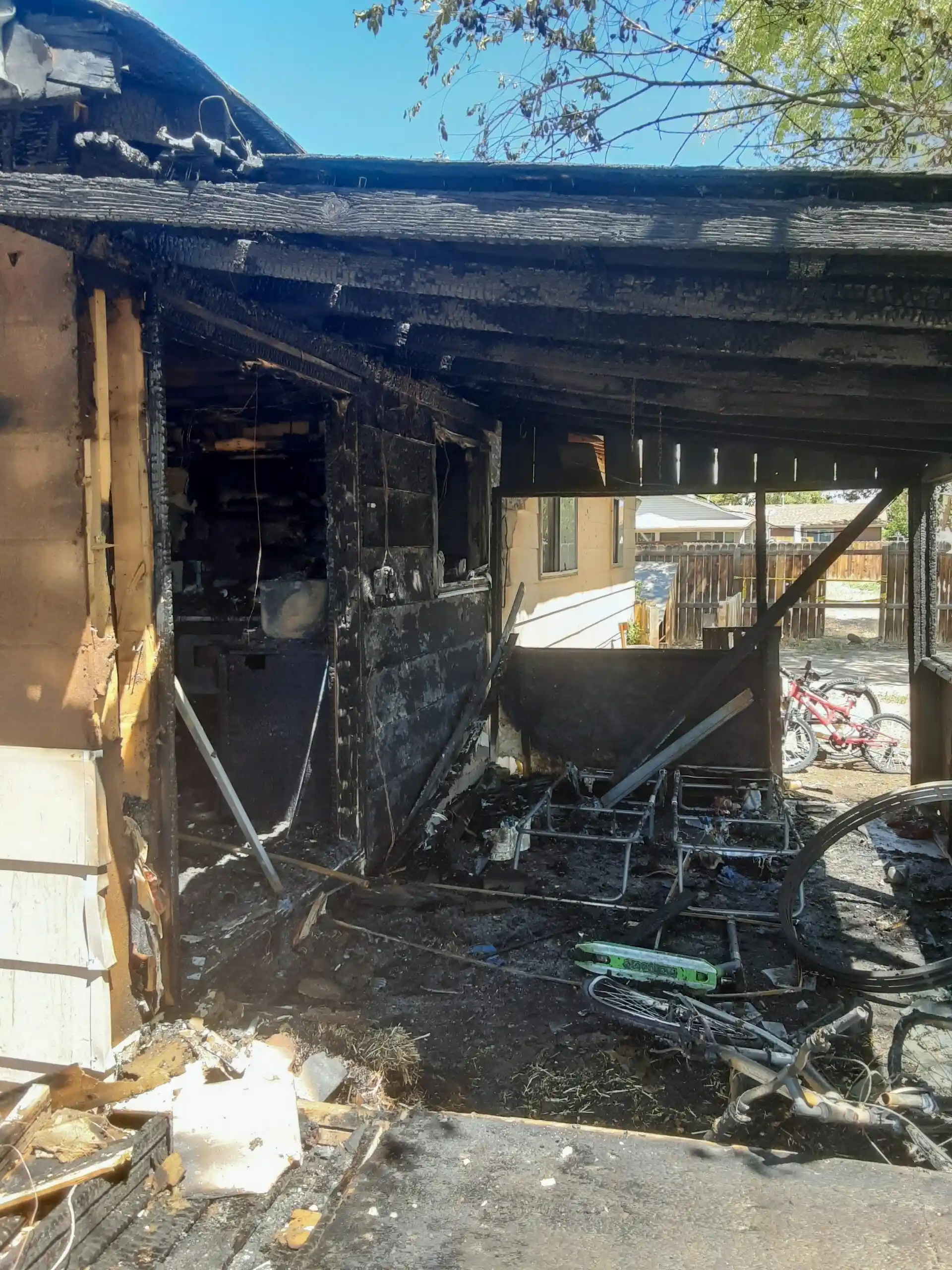
DIY Smoke Cleaning Makes It Worse — Not Better.
It seems counterintuitive, but cleaning smoke damage incorrectly causes more permanent harm than leaving it alone. Wiping soot with a wet cloth smears it deeper into the material. Running fans spreads contamination to unaffected rooms. Using the wrong cleaning agent can set stains permanently.
Professional smoke and soot removal requires knowledge of the smoke type, the right sequence of cleaning steps, and industry-grade equipment — none of which a household cleaning kit provides.
How We Remove Smoke & Soot.
Assessment & Mapping
We identify the smoke type, map all affected areas including hidden zones, and document everything for your insurance carrier before any cleaning begins.
Dry Soot Removal
Dry chemical sponges remove loose soot from all surfaces in the correct sequence — preventing smearing and allowing thorough wet cleaning to follow.
Surface & Structural Cleaning
Alkaline cleaners neutralize acidic residue on walls, ceilings, contents, and structural materials. HVAC systems and ductwork are cleaned to prevent re-contamination.
Odor Elimination
Thermal fogging and ozone treatment permanently destroy odor molecules inside structural materials — the only way to ensure smoke smell does not return months later.
Related Articles
Continue learning about fire and smoke recovery with these helpful guides from our team.
Smoke & Soot Removal FAQs
Smoke damage gets harder to remove every hour.
Soot bonds, odor penetrates deeper, and corrosion spreads. The faster we respond, the more can be cleaned rather than replaced. Call now — we're available 24/7.







Get the Smoke Out — For Good.
Submit the form and a smoke damage specialist will call you within minutes. Free assessment, no pressure, zero obligation.