What to Document After Water or Fire Damage: A 2026 Insurance Claims Guide
When water or fire damage strikes your home or business, the insurance claims process feels like an additional burden. In the midst of the emergency cleanup and restoration process, proper documentation is one of the most important post-disaster steps toward protecting your claim and reducing delays.
At Right Now Restoration, we’ve seen firsthand how organized records make the recovery process smoother for property owners. Here’s what you should document after damage occurs.
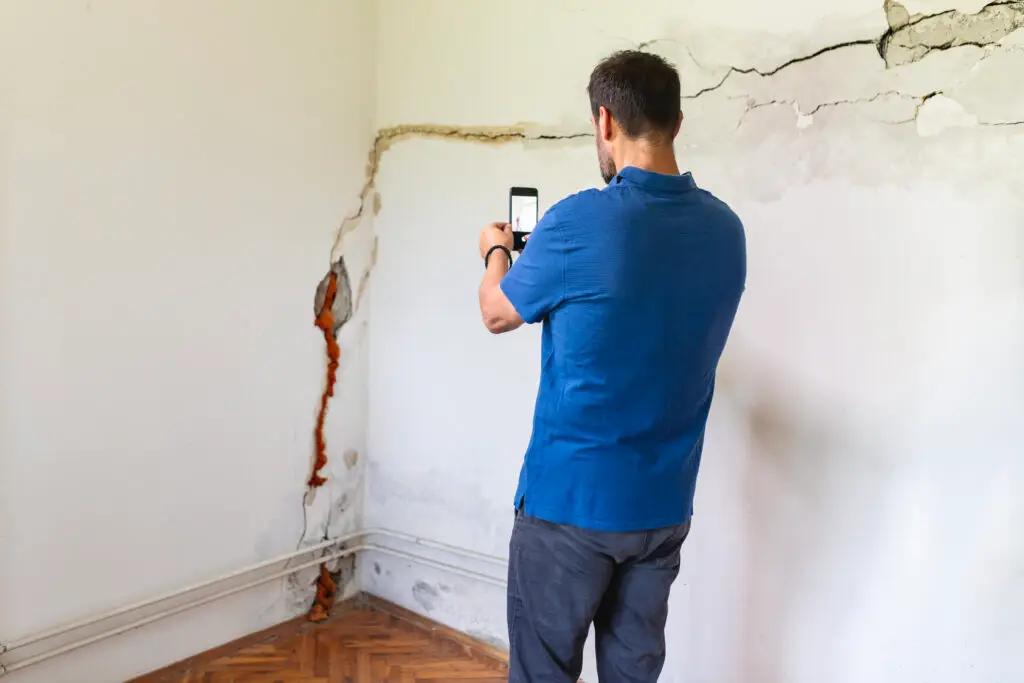
Start With Immediate Photos and Videos
Since insurance companies rely heavily on visual evidence to assess the severity and cause of loss, make sure to document all visible damage thoroughly before cleanup begins.
Take photos/videos of:
- Every Affected Room
- Damaged Materials and Belongings
- Standing Water, Smoke Residue, or Structural Damage
- Damaged Appliances, Furniture, Flooring, and Walls
- Any Exterior Damage to the Property
Capture timestamps whenever possible, and avoid throwing things out until your insurance adjuster approves it.
Create separate folders on your phone or cloud storage labeled by room or category to keep evidence organized and easy to share.
Keep a Detailed Inventory of Damaged Items
A major mistake homeowners make is underreporting damaged personal items. A detailed inventory of all affected belongings helps support reimbursement requests and replacement costs.
Your inventory should include:
- Item Descriptions
- Approximate Purchase Dates
- Estimated Value or Replacement Cost
- Brand Names and Model Numbers
- Receipts or Proof of Purchase (if available)
If receipts aren’t available, bank statements, online order histories, or old photos of the items help validate ownership.
Use a spreadsheet or inventory app to track losses as you go instead of trying to remember everything later.
Save All Communication and Insurance Documents
Documentation isn’t limited to physical damage. Keep detailed records of every interaction related to your claim.
Save important info like:
- Claim Numbers
- Emails and Text Messages
- Adjuster Notes
- Repair Estimates
- Contractor Invoices
- Hotel and Temporary Housing Receipts
- Emergency Mitigation Bills
Keeping everything organized in one place is extremely helpful if disputes arise or additional information is requested later.
Create a dedicated digital folder for your claim and back it up to cloud storage for easy access during the restoration process.
Document Mitigation and Emergency Repairs
Insurance policies often require property owners to prevent additional damage after the initial water or fire damage. This means you need to document all emergency mitigation steps taken.
Examples include:
- Water Extraction
- Board-up Services
- Roof Tarping
- Mold Containment
- Smoke Cleanup
- Temporary Plumbing or Electrical Repairs
Take photos before and after emergency work begins, and keep copies of all invoices from restoration professionals.
Never begin major reconstruction before your insurance carrier has inspected the property — unless emergency safety issues require immediate action.
Understand Mold Documentation Requirements
In 2026, many insurance carriers have stricter mold-related claim requirements. If mold develops after water damage, proper documentation becomes especially crucial.
Be sure to document:
- The Original Water Source
- Dates When Moisture was Discovered
- Drying and Mitigation Efforts
- Visible Mold Growth
- Indoor Air Quality or Mold Inspection Reports
Prompt reporting and professional remediation records strengthen mold-related claims.
Delays in reporting water damage often lead insurers to deny mold coverage — even if the original loss was covered
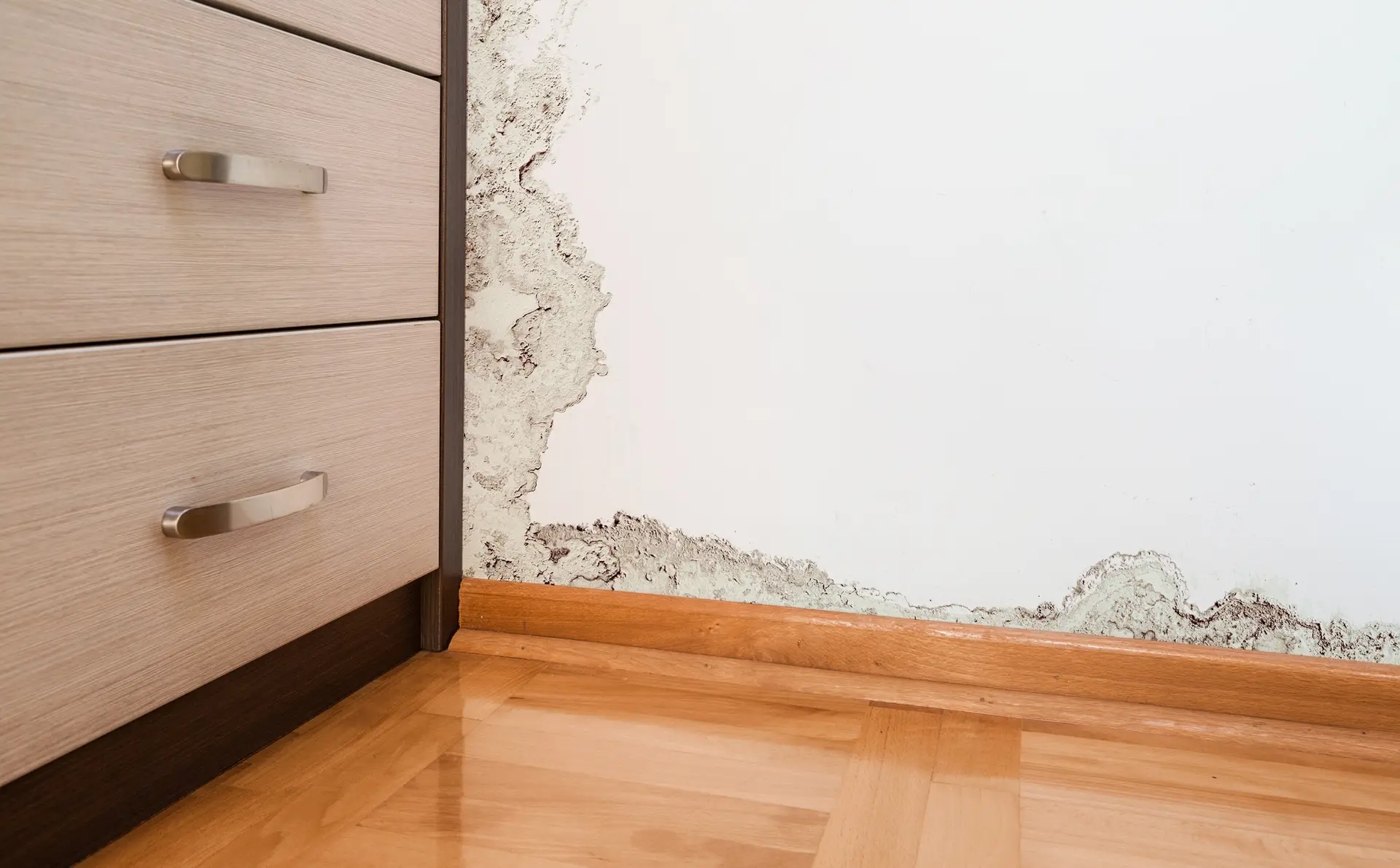
Beyond structural and aesthetic issues, post-damage mold growth poses health risks:
Rebuild Smarter, Not Harder
The water and fire damage recovery process is stressful, but strong documentation makes the insurance process far less of a headache.
The more organized your records are, the more support your claim will receive from your provider. Just remember to avoid unnecessary delays, and you’ll secure the compensation needed to restore your property properly.
If you’ve experienced damage to your property from fire, water, or mold, contact Right Now Restoration right away! We help ensure mitigation, documentation, and communication are handled professionally from day one.
Document Today, Recover Faster Tomorrow
Strong documentation makes every insurance claim smoother. Right-Now Restoration helps property owners document, mitigate, and recover — 24/7, with a 45-minute emergency response.