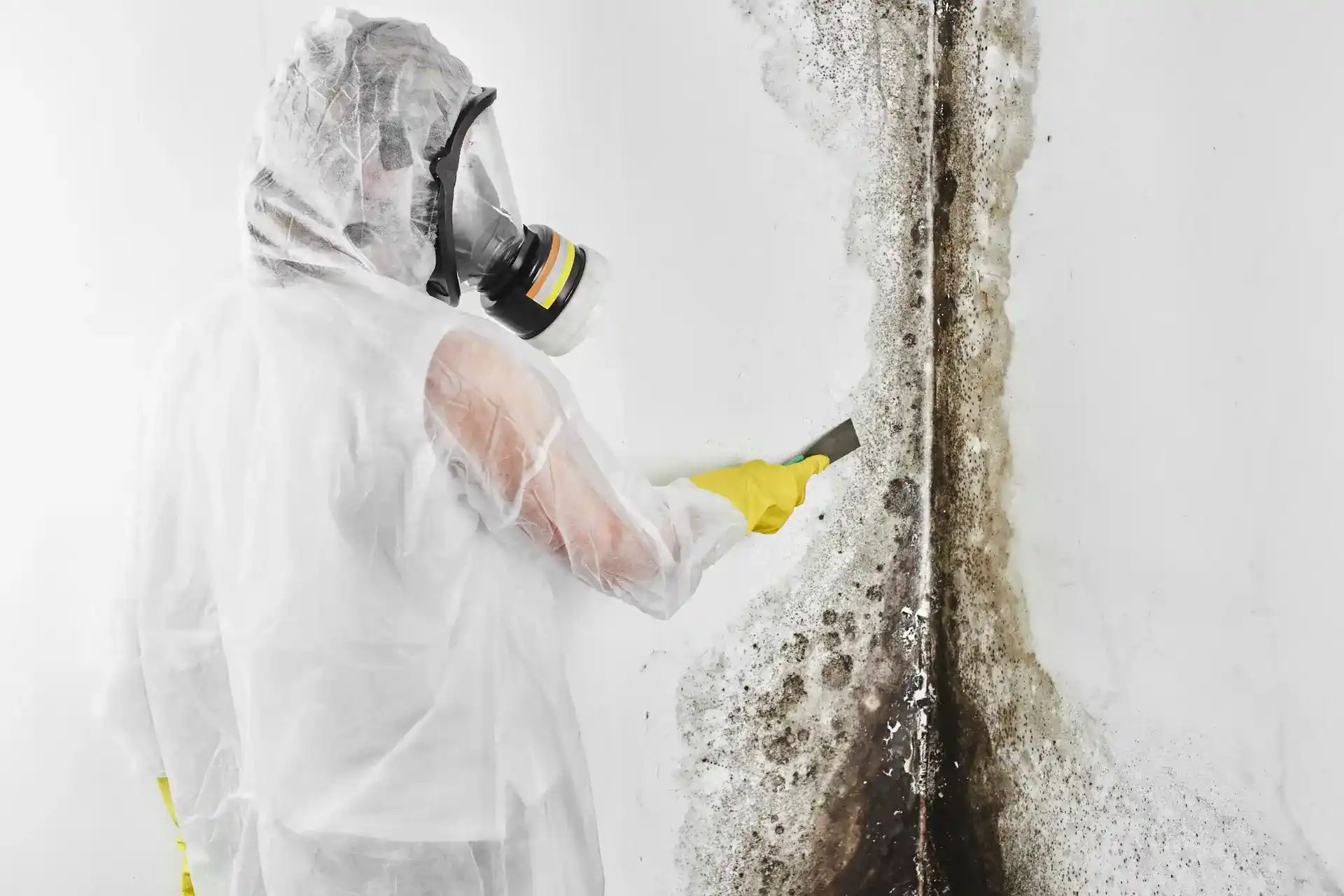
Mold Remediation
Anaheim, CA
Hidden slab leaks, winter roof leaks, and poorly vented bathrooms give mold a foothold in Anaheim homes, even in a dry climate. Right-Now Restoration provides certified mold inspection, containment, removal, and post-remediation clearance testing to restore healthy air in your home.
By submitting, you agree to receive calls and texts from Right-Now Restoration. Consent is not required for service. Reply STOP to opt out. Msg & data rates may apply. View our Privacy Policy.










WHY MOLD IS A SERIOUS ISSUE IN ANAHEIM
Mold Remediation in Anaheim — What You Need to Know
Southern California’s dry weather doesn’t protect a home from mold. Mold needs moisture, and Anaheim homes get plenty of it from slab leaks, roof leaks during winter storms, and plumbing failures behind walls. Once materials stay wet for 24–48 hours, mold can begin to grow.
The species we find most often are Cladosporium, Penicillium, Aspergillus, and Stachybotrys, often called black mold. They grow on drywall, wood framing, carpet pad, and inside HVAC ducts, usually out of sight until the problem is well established.
Right-Now Restoration follows IICRC S520 procedures on every mold project, including post-remediation air testing to confirm the job is done, not just a visual check.
CALL NOW — (949) 323-2696
SIGNS YOU NEED MOLD REMEDIATION
Common Signs of Mold in Anaheim Homes
Musty or Earthy Odors
A persistent damp smell near bathrooms, under sinks, in closets, or from HVAC vents is often the first sign. Mold releases compounds with a distinct earthy odor before it’s visible. Don’t rely on air fresheners; masking the smell gives mold more time to spread.
Visible Discoloration
Dark spots, fuzzy patches, or streaks on walls, ceilings, grout, or baseboards are mold colonies. What you can see is usually smaller than what’s growing behind the surface. Avoid scrubbing or bleaching it yourself, which can release spores into the rest of the house.
Health Symptoms
Ongoing congestion, sneezing, headaches, or asthma flare-ups that ease when you leave home can point to mold. They’re easy to blame on Orange County’s seasonal allergies, which is why mold often goes unnoticed. If symptoms improve away from home, an air test can confirm whether mold is the cause.
A Recent Slab or Roof Leak
If your home had a slab leak, roof leak, or plumbing failure in the past few years that wasn’t professionally dried, hidden mold is a real possibility. Mold often starts on the back side of drywall and on wood framing near the original leak.
Warped Flooring or Bubbling Paint
Cupped hardwood, lifting laminate, bubbling paint, and swollen baseboards all signal moisture, the one thing mold needs to grow. We trace the moisture source first, so the mold doesn’t come back after removal.
HVAC Contamination
Spores that reach your ductwork spread through the house every time the system runs. Musty air from vents or growth near registers are warning signs. We clean the ductwork and treat the system as part of remediation, not as an extra.
OUR REMEDIATION PROCESS
How We Remediate Mold in Anaheim Homes
Mold Inspection & Air Sampling
We inspect suspect areas, take air and surface samples, and measure spore counts. The results show how far the mold has spread and set the scope of work.
Moisture Source Identification
Thermal imaging and moisture meters find the leak, condensation, or humidity problem feeding the mold, because removal without fixing the cause means it comes back.
Containment Setup
We seal off the work area with plastic barriers and negative air pressure, so spores stirred up during removal don’t spread to clean parts of your home.
HEPA Air Scrubbing
Commercial HEPA air scrubbers run for the length of the project, capturing airborne spores and keeping air quality safe for your family and our crew.
Mold Removal & Disposal
Contaminated drywall, insulation, and carpet pad are removed following EPA and IICRC guidelines, then sealed in heavy bags and disposed of properly.
Antimicrobial Treatment
An EPA-registered antimicrobial is applied to cleaned framing and surrounding materials to treat remaining spores and help prevent regrowth.
Structural Rebuild
After clearance, our team replaces drywall, insulation, and finishes, so your home is put back together without hiring a separate contractor.
Post-Remediation Air Testing
Third-party air testing confirms spore levels are back to normal, and you receive a written clearance report you can share with your insurer or a buyer.
Concerned About Mold? Don’t Wait.
Mold keeps spreading as long as moisture is present. The sooner it’s addressed, the smaller the job and the lower the cost.
CALL (949) 323-2696 — SCHEDULE INSPECTIONRELATED SERVICES
Related Restoration Services in Anaheim
Water Damage Restoration
24/7 extraction, drying, and full repairs for water damage across the Orange County region.
Fire Damage Restoration
Board-up, smoke removal, and complete rebuild for Anaheim homes after a fire.
Flood Cleanup
Fast extraction and drying when winter storms push water into Anaheim homes.
Burst Pipe Repair
Emergency response to slab leaks and burst lines, on-site within 45 minutes.
Sewage Cleanup
Category 3 extraction and decontamination for Anaheim sewer backups.
Storm Damage Restoration
Tarping, board-up, and repairs after Santa Ana winds and winter storms.
WHERE WE WORK
Mold Remediation Service Area — Orange County region
We provide certified mold remediation across the Orange County region, including:
FREQUENTLY ASKED QUESTIONS
Mold Remediation — Anaheim FAQ
Is mold common in Anaheim homes?
Yes, more than most people expect. Anaheim’s climate is dry, but slab leaks, winter roof leaks, and plumbing failures give mold the moisture it needs. Bathrooms, kitchens, and areas near water heaters are the most common spots.
How can I tell if I have mold behind my walls?
Watch for a musty smell, discoloration, bubbling paint, warped flooring, or symptoms that improve when you’re away from home. A professional inspection with moisture meters and air sampling gives you a definite answer.
Is mold remediation covered by homeowners insurance?
Mold caused by a sudden, covered event like a burst pipe is often covered. Mold from long-term leaks or ongoing moisture usually isn’t. We document everything to support your claim.
How long does mold remediation take?
Small, contained areas usually take 1–3 days. Larger jobs involving several rooms, framing, or HVAC systems can take 1–2 weeks. You’ll get a timeline after the inspection.
Can mold come back after remediation?
It can if the moisture source isn’t fixed. That’s why every project starts by finding the source and ends with antimicrobial treatment and clearance testing.
Mold Problem in Anaheim?
Our certified remediation team is available 24/7. Get your inspection scheduled today.
(949) 323-2696 SCHEDULE INSPECTION — FREE ESTIMATE