How Fast Can Mold Grow After Water Damage?
Water damage may seem like the immediate problem, but mold is often the issue that causes the biggest headaches later. Whether it’s a burst pipe, a roof leak, an appliance failure, or a flooded basement, leftover moisture creates the perfect environment for mold growth. The good news? Acting quickly can dramatically reduce the risk — here’s how fast mold can grow after water damage, and why professional restoration matters.
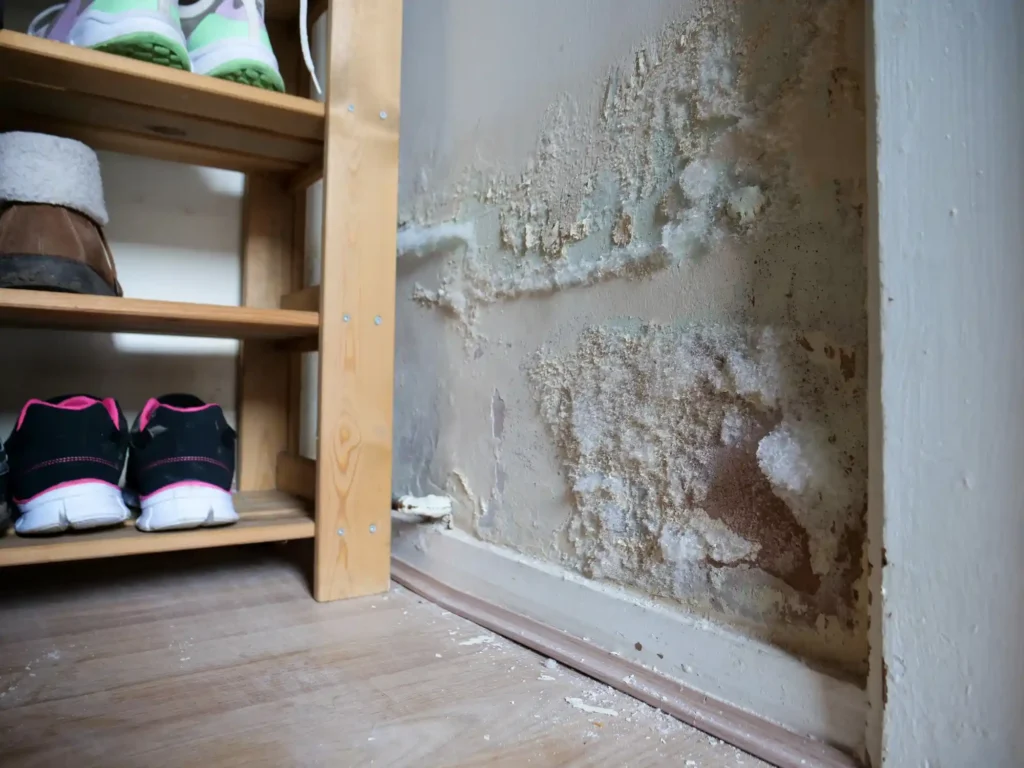
Mold Can Start Growing Within 24 to 48 Hours
A major misconception about mold is that it takes weeks to appear. In reality, mold spores are already present in most indoor environments — they just need a little moisture and a food source to begin growing.
Under ideal conditions, mold can begin developing within 24 to 48 hours after water damage occurs. Common materials that support mold growth include:
- Drywall
- Wood framing
- Carpet and padding
- Ceiling tiles
- Insulation
- Upholstered furniture
Warm temperatures, poor ventilation, and high humidity all speed up the process.
Even if surfaces look dry, hidden moisture behind walls or under flooring can still fuel mold growth. Professional moisture testing helps identify problems you can’t see.
Suspect hidden water damage? Here are the signs to look out for: 7 Signs You Have Hidden Water Damage in Your Home
What Affects How Quickly Mold Spreads?
Not every water damage situation is the same. Several key factors influence how rapidly mold develops and spreads throughout your home. Key factors include:
- Type of water:Clean water poses less immediate risk than gray or black water.
- Humidity levels:High indoor humidity accelerates mold growth.
- Temperature:Mold thrives in warm environments.
- Porous materials:Drywall, carpet, insulation, and wood absorb water quickly.
- Response time:The longer moisture remains, the greater the chance of contamination.
Even a small plumbing leak hidden inside a wall can create ideal conditions for mold before visible signs appear.
If water has been sitting for more than 24 hours, it’s safest to assume mold may already be starting — and schedule a professional inspection.
Learn the differences between flood damage and water damage here: Water Damage vs. Flood Damage: What Homeowners Need to Know
Signs Mold May Already Be Growing
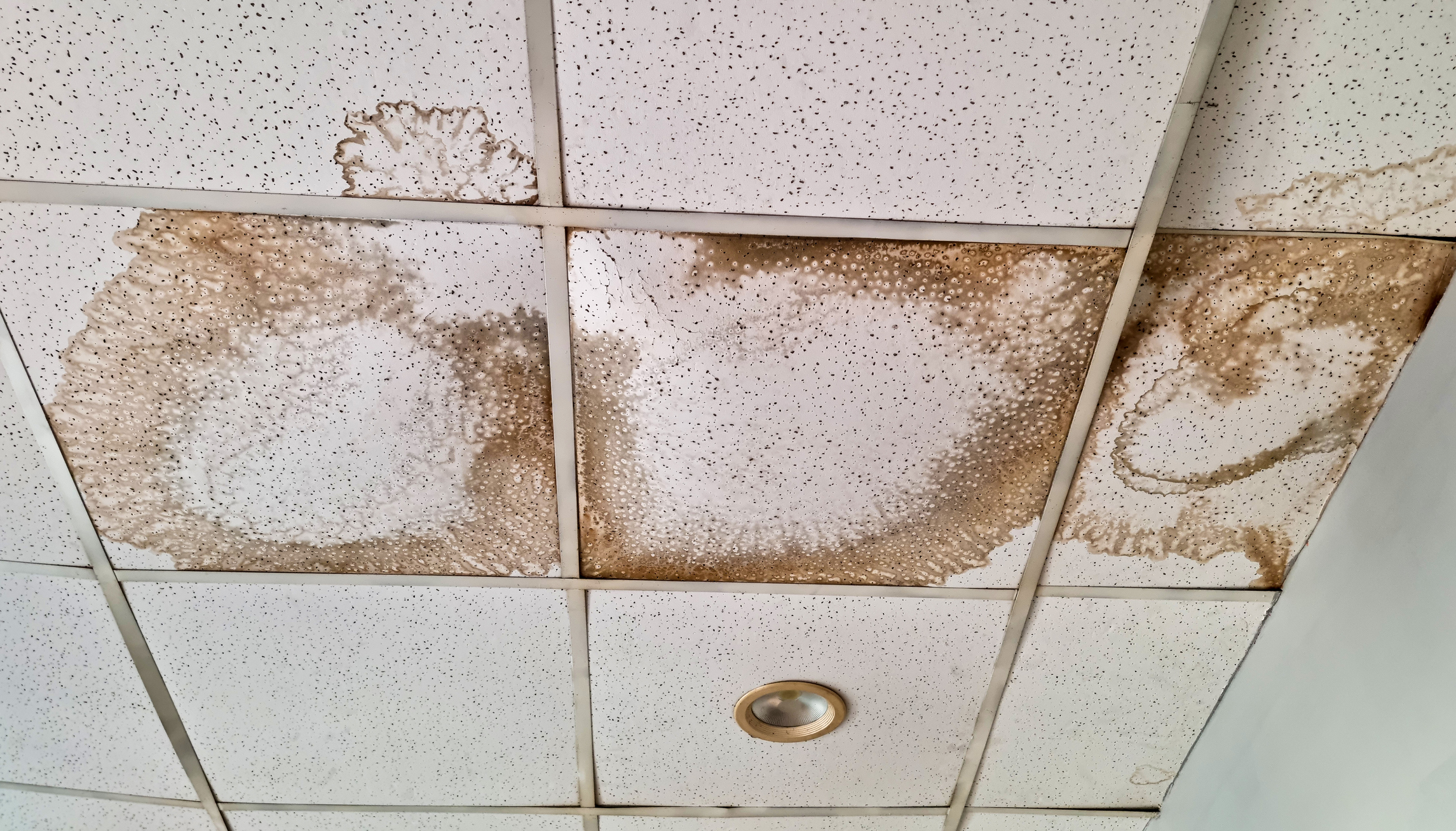
Discoloration and staining on ceilings is a common early warning sign of hidden moisture
Mold isn’t always easy to spot. You might notice subtle warning signs before visible mold patches actually appear. Watch for:
- Musty or earthy odors
- Peeling paint or bubbling drywall
- Discoloration on walls or ceilings
- Persistent dampness
- Increased allergy symptoms indoors
Ignoring these signs lets mold colonies expand into hidden areas, making cleanup more costly.
Never rely solely on bleach to remove mold. Bleach often fails to eliminate mold growing beneath porous surfaces and may only treat what’s visible.
Think mold is affecting your health? Here’s what you need to know: Is Mold Making You Sick? Top Warning Signs You Shouldn’t Ignore
Why Fast Water Damage Restoration Is So Important
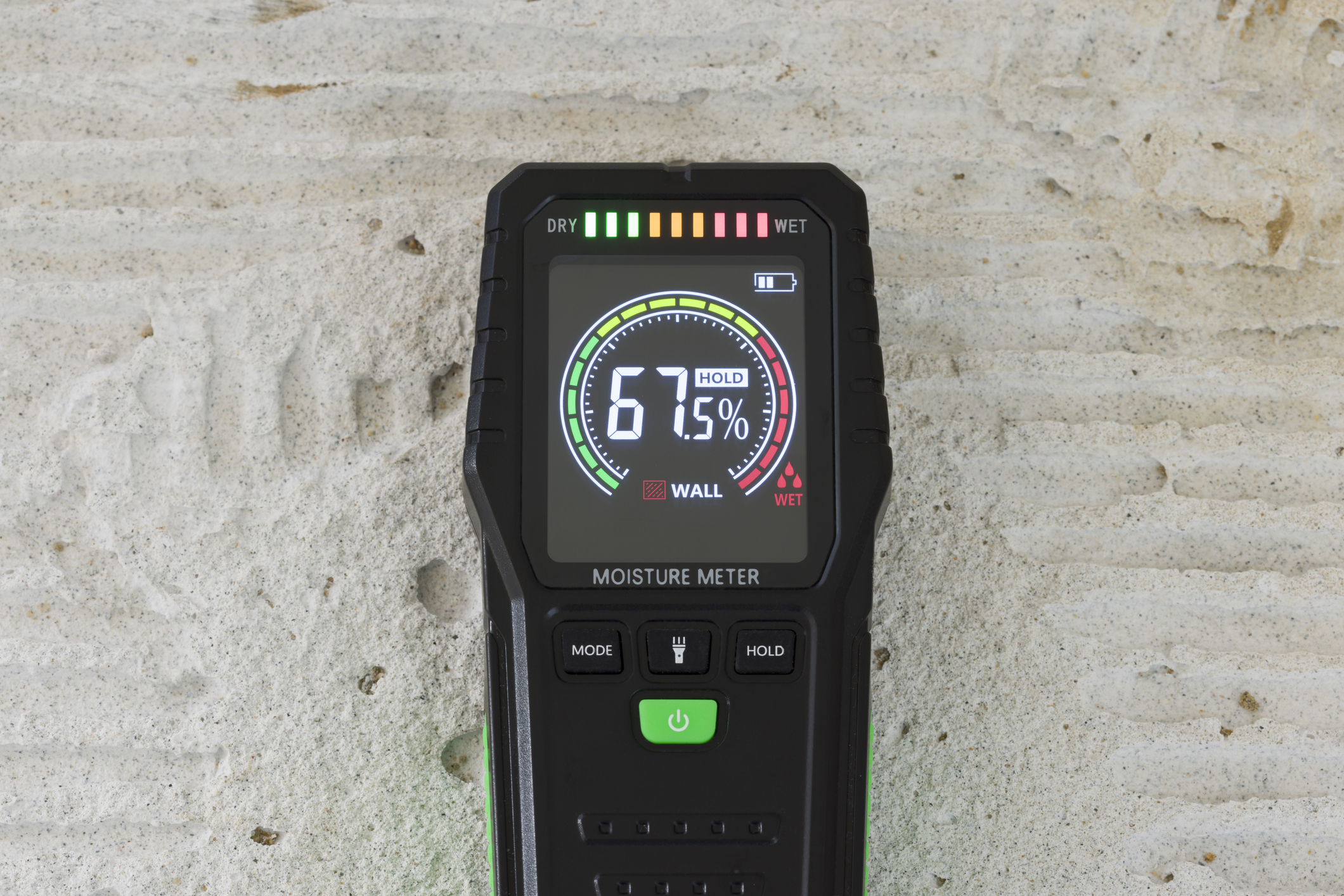
Professional moisture mapping detects hidden dampness before mold has a chance to spread.
The first 24 to 48 hours after water damage are critical. At Right-Now Restoration, we use specialized equipment to remove water, dry structural materials, and monitor moisture levels before mold has an opportunity to spread. Professional restoration typically includes:
- Water extraction
- Industrial drying and dehumidification
- Moisture mapping
- Sanitization
- Mold prevention treatments (when needed)
Acting fast can not only save flooring, drywall, furniture, and other belongings, but also lower your overall repair costs.
Don’t wait until you see mold. Immediate drying after water damage is the best defense against future mold remediation.
Here’s what to do in the first 24 hours after water damage: What to Do in the First 24 Hours After Water Damage: A 6-Step Guide for Fast and Effective Action
Stop Mold Before It Starts
When it comes to water damage, every second counts. Mold starts growing in as little as 24 to 48 hours, turning a relatively simple cleanup into a much larger restoration project. The sooner water is removed and your property is properly dried, the better your chances of preventing expensive mold damage.
If your home or business has experienced water damage, don’t take chances. Contact Right-Now Restoration for fast, professional water damage restoration and moisture removal services. Our experienced team responds quickly to help protect your property, prevent mold growth, and restore your peace of mind.
Water Damage? Act Before Mold Does.
Mold can start growing in as little as 24 hours. Our crews extract water, dry your property, and stop mold before it spreads — and we handle the insurance paperwork from start to finish.
Right-Now Restoration provides professional mold remediation, water damage restoration, fire damage restoration, and insurance claim support. Available 24/7 across our service area.