What to Do in the First 24 Hours After Water Damage: A 6-Step Guide for Fast and Effective Action
Water damage doesn't wait — and you shouldn't either. Excess moisture can quickly compromise structural integrity, destroy personal property, and create the perfect conditions for mold. That's why swift, strategic action during the first 24 hours can dramatically reduce both damage and repair costs.
Prioritize Safety Before Anything Else
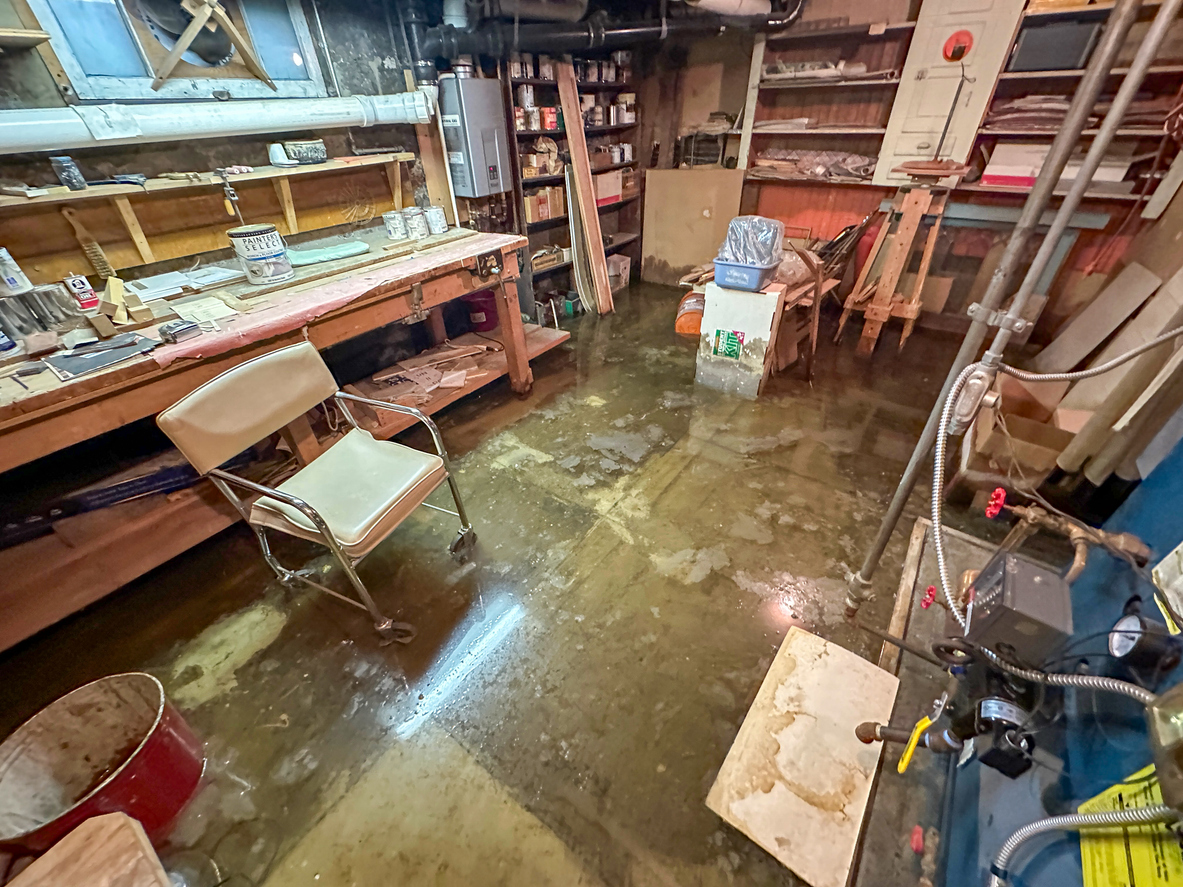
Before setting foot into an area affected by water damage, you need to confirm that it's safe. Water intrusion often conceals serious hazards, including:
- Live Electrical Currents
- Weakened Floors or Ceilings
- Contaminated Water (especially from floods or sewage backups)
If it's safe to do so, turn off the electricity at the main breaker. Avoid direct contact with standing water until you understand its source and potential risks.
If water has reached outlets, wiring, or appliances, don't risk it — wait for a qualified professional to assess the situation.
Identify and Stop the Water Source
Once you've established safety, the next step is to stop the water at the source. Common causes include:
- Burst Pipes
- Malfunctioning Appliances
- Plumbing Failures
Shut off the main water supply if necessary.
If the damage is from external flooding, shift your focus to minimizing further intrusion. Use temporary barriers and relocate valuables to higher areas.
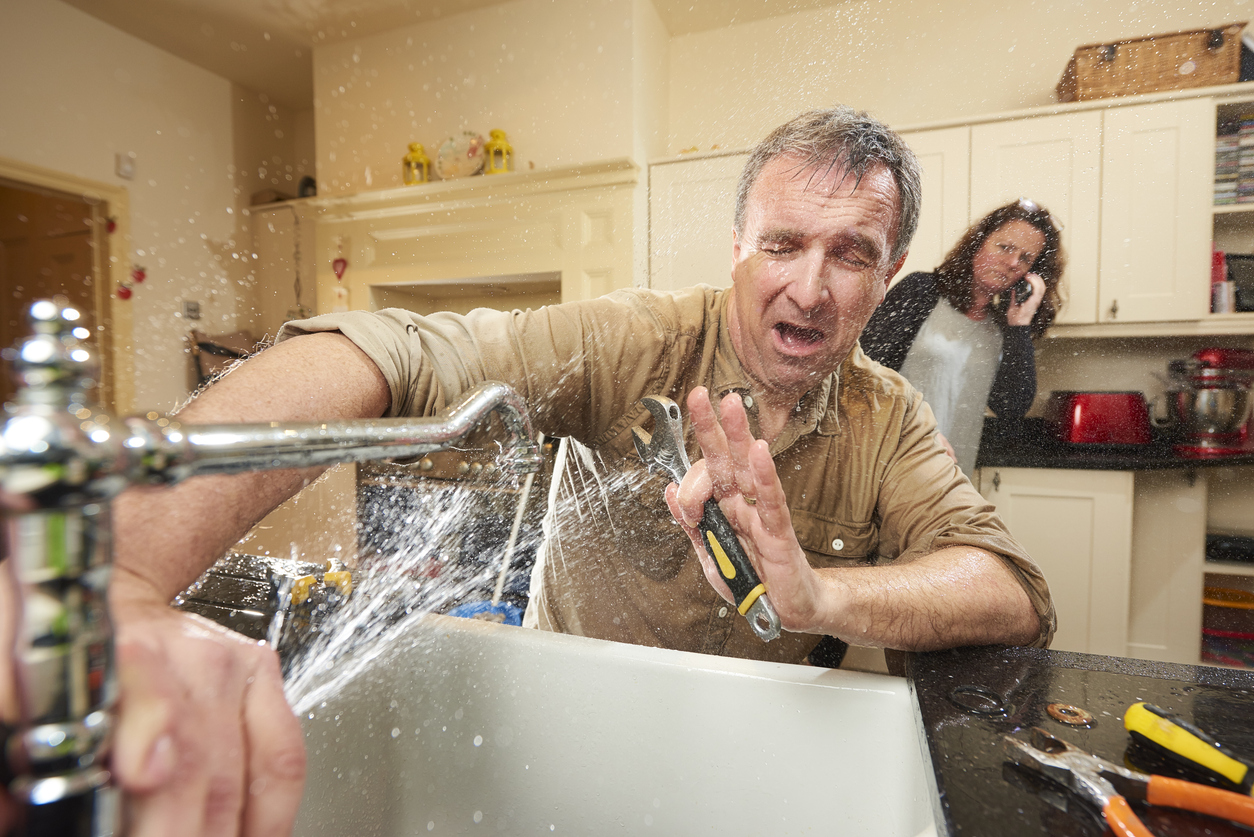
Stopping the water source immediately — even temporarily — limits how much damage spreads to surrounding materials.
Take note of the water source — clean, gray, or black water. This classification helps professionals determine the proper cleanup and sanitation approach.
Capture and Record the Damage
Documentation plays a critical role in the insurance claims process. Before beginning cleanup:
- Take clear photos and videos of all affected areas.
- Capture water lines, soaked materials, and damaged belongings.
- Create a written inventory of impacted items, including estimated values.
Hold onto damaged items until your insurance provider confirms what can be discarded — premature disposal could affect your claim.
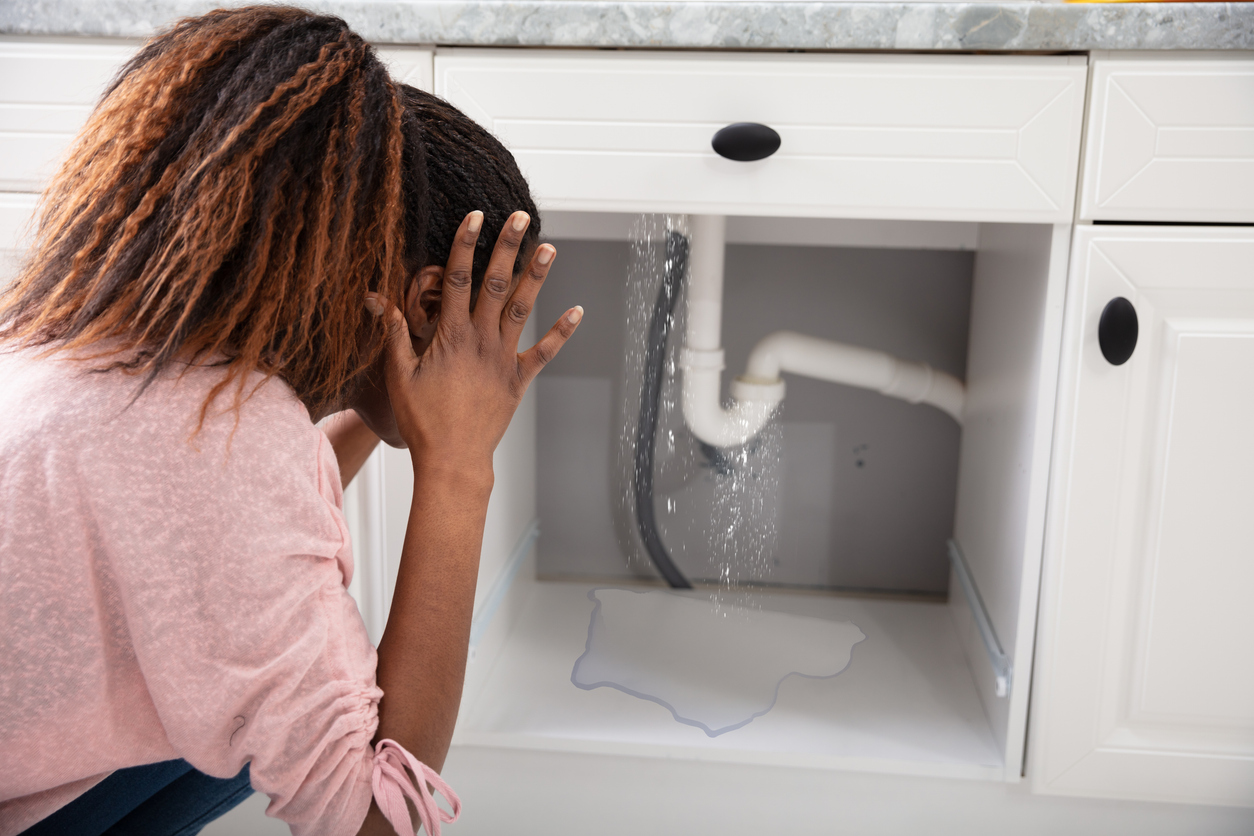
Even damage that looks minor on the surface can be substantial — document everything before anything is moved or cleaned up.
Begin Water Removal and Drying
Time is your biggest enemy when it comes to water damage. Removing moisture as quickly as possible is essential to minimizing structural deterioration and material loss.
- Use towels, mops, or a wet/dry vacuum to remove standing water.
- Increase airflow by opening windows and doors.
- Run fans and dehumidifiers to accelerate drying.
While household equipment helps, professional drying systems are far more effective at pulling moisture from behind walls and beneath flooring.
Take Steps to Avoid Mold Growth
Mold can start forming in as little as 24 hours under the right conditions. Acting quickly is essential to prevent a secondary problem.
- Remove waterlogged carpets, rugs, and upholstery if they can't be dried promptly.
- Clean and disinfect hard surfaces.
- Keep indoor humidity as low as possible.
If you notice a persistent musty odor, it often signals hidden moisture. Don't ignore it, even if surfaces appear dry.
Contact a Water Damage Restoration Expert
While initial steps can help reduce damage, professional restoration is key to a full recovery. Experienced teams have the equipment and expertise to:
- Perform a thorough damage assessment.
- Extract hidden moisture.
- Prevent long-term structural or health issues.
Find a restoration provider that offers 24/7 emergency service — delays can significantly increase repair costs.
What Happens If You Wait Too Long
Water begins saturating drywall, insulation, and flooring. The faster extraction starts, the more materials can be saved.
Drywall swells and weakens. Wood framing absorbs moisture. Metal surfaces begin to corrode. Mold spores can begin germinating.
Mold colonies establish and spread. Structural materials soften. Odors intensify. Remediation scope expands significantly.
Serious structural damage to framing, subfloors, and joists becomes likely. Health risks from mold increase. Repair costs rise sharply.
Frequently Asked Questions
The first day after water damage is the most critical window for protecting your property and possessions. Acting quickly by ensuring safety, stopping the source, documenting losses, and initiating cleanup makes all the difference between a manageable repair and a major restoration project.
Dealing With Water Damage Right Now?
Every hour matters. Our team dispatches immediately — with the equipment to stop further damage, dry out your property, and manage your insurance claim from start to finish.
3 Responses