Water Damage vs. Flood Damage: What Homeowners Need to Know
When water enters your home, the source matters a lot more than you might think. The terms "water damage" and "flood damage" are often used interchangeably — but they have very different causes, insurance implications, and restoration approaches. Understanding the distinction can save you significant time, money, and stress when disaster strikes.
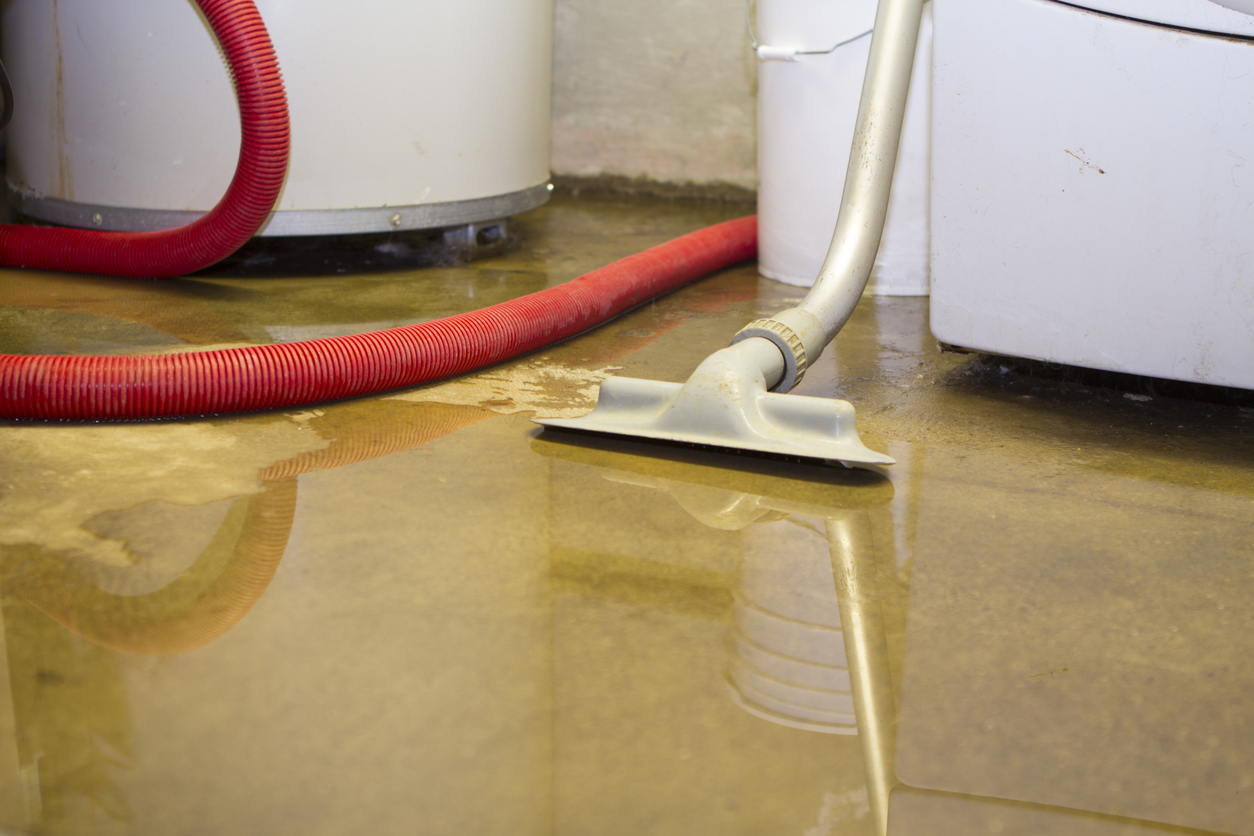
What Is Water Damage?
Water damage typically originates inside the home or from internal systems. It's often sudden and caused by plumbing or appliance failures — things that happen without warning and require fast action to contain.
Common causes of water damage include:
- Burst or leaking pipes
- Overflowing sinks, bathtubs, or toilets
- Malfunctioning appliances (dishwashers, washing machines, water heaters)
- Roof leaks or minor storm intrusion
- HVAC system condensation issues
Types of Water Damage
Water damage is generally categorized based on contamination levels:
- Clean water — from supply lines or rainwater
- Gray water — slightly contaminated (e.g., washing machine overflow)
- Black water — highly contaminated (e.g., sewage backups)
Most standard homeowners insurance policies do cover sudden and accidental water damage.
Act fast — water damage can escalate into mold growth within 24–48 hours. Immediate mitigation reduces long-term repair costs significantly.
For more on what to watch for inside your walls and floors, read: 7 Signs You Have Hidden Water Damage in Your Home
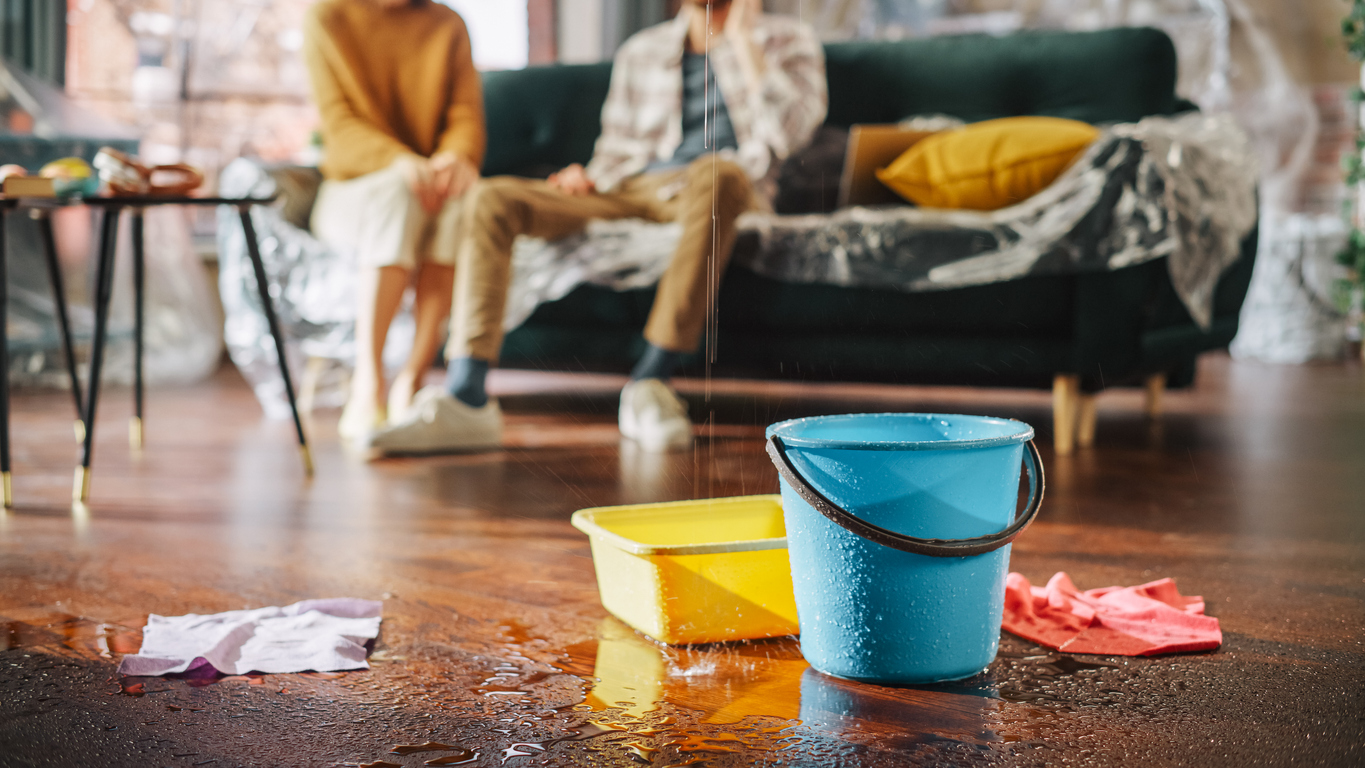
Internal leaks from pipes or appliances are the most common source of water damage — and often the most preventable.
What Is Flood Damage?
Flood damage refers to water entering your home from external sources, typically due to natural events. Unlike water damage, you generally can't prevent it by maintaining your plumbing — it comes from outside regardless of the condition of your home.
Common causes of flood damage include:
- Heavy rainfall that overwhelms drainage systems
- Storm surges from hurricanes
- Overflowing rivers, lakes, or creeks
- Rapid snowmelt
- Flash flooding
Unlike most water damage, floodwater is almost always considered black water — contaminated with bacteria, sewage, chemicals, and debris. This changes everything about how it must be handled.
Standard homeowners insurance policies do not cover flood damage. Separate flood insurance is required, often through FEMA's National Flood Insurance Program (NFIP) or private insurers. And don't assume low risk means no risk — over 20% of flood claims come from low-risk zones.
Key Differences Between Water Damage and Flood Damage
Understanding the differences helps homeowners respond appropriately and avoid costly mistakes. Here's a side-by-side breakdown.
| Category | Water Damage | Flood Damage |
|---|---|---|
| Source | Internal (pipes, appliances, roof leaks) | External (natural disasters, rising water) |
| Insurance | Typically Covered | Requires Separate Policy |
| Contamination | Ranges from clean to black water | Almost always highly contaminated |
| Restoration | Targeted drying, repair, and sanitation | Decontamination, material removal, structural assessment |
| Scope | Usually localized to one area | Often widespread, affects multiple properties |
When filing an insurance claim, how the damage is classified matters enormously. Document the source of water immediately with photos and detailed notes to support your case from the start.
Why Proper Classification Matters for Restoration
Misidentifying water damage as flood damage — or vice versa — delays recovery and can result in improper treatment that makes things worse. Here's why getting it right from the start is critical:
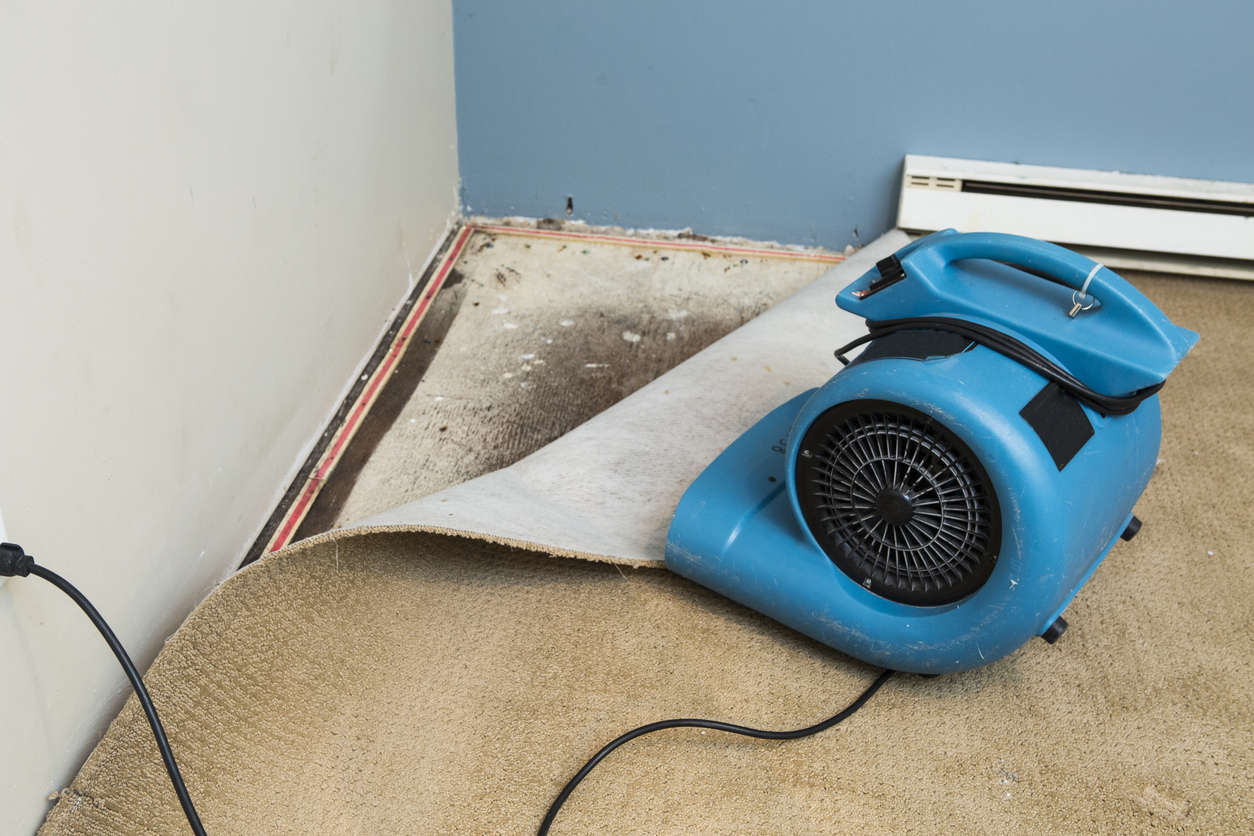
The equipment and protocols used for flood cleanup are fundamentally different from those used for internal water damage — classification drives every decision.
Water Damage Response
- Targeted extraction by source
- Structural drying with air movers
- Moisture mapping and monitoring
- Repair and rebuild affected areas
Flood Damage Response
- Full protective equipment required
- Decontamination of all surfaces
- Removal of porous materials (drywall, insulation)
- Structural assessment before rebuild
The classification affects safety protocols, drying equipment, regulatory requirements, and whether your insurance claim gets approved. Professional restoration teams like Right-Now Restoration follow industry standards to assess and treat each situation correctly from the moment they arrive.
Never attempt DIY flood cleanup — improper handling can expose you to harmful contaminants and void your insurance claim entirely.
Frequently Asked Questions
Water or Flood Damage? We Handle Both.
Whether it's a burst pipe or a major storm, our team arrives fast, assesses the damage correctly, and manages your insurance claim from start to finish.
5 Responses