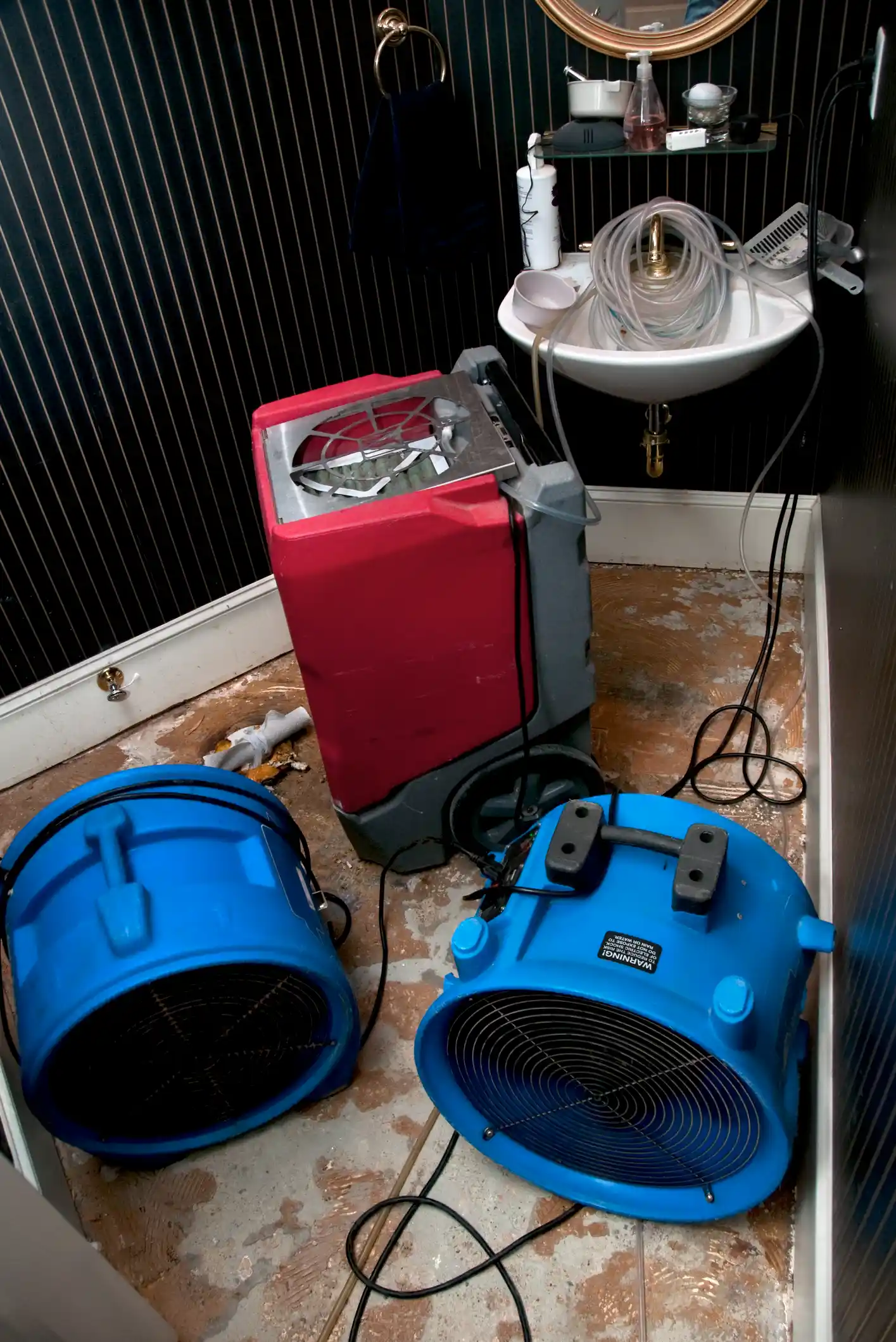
Sewage Cleanup
Charleston, SC
Sewage backup is a health emergency. Raw sewage contains dangerous pathogens that contaminate everything it contacts — and the longer it sits, the worse the damage. Right-Now Restoration's certified biohazard cleanup team responds within 45 minutes to extract, decontaminate, and fully restore your Charleston property.
By submitting, you agree to receive calls and texts from Right-Now Restoration. Consent is not required for service. Reply STOP to opt out. Msg & data rates may apply. View our Privacy Policy.


CERTIFIED SEWAGE CLEANUP IN CHARLESTON
Why Sewage Backup Demands Professional Remediation
Sewage is classified as Category 3 black water — the most hazardous water contamination category. It contains raw sewage, bacteria such as E. Coli and Salmonella, viruses, and other pathogens that can cause serious illness through skin contact, inhalation, and accidental ingestion. Standard cleaning products are not effective against these contaminants.
In Charleston, sewage backups become more frequent during nor’easters and coastal storms and intense summer storms when heavy runoff overwhelms aging municipal sewer infrastructure. Many Charleston neighborhoods — particularly James Island, First Hill, and Charleston metro — were built with combined storm and sanitary sewer systems susceptible to overflow during peak runoff events.
Right-Now Restoration's certified technicians wear full personal protective equipment, use EPA-registered disinfectants specific to Category 3 events, and follow IICRC S500 protocols throughout extraction, decontamination, and drying. We provide documentation for your insurance claim and restore your property to a safe, habitable condition.
CALL NOW — (843) 604-1371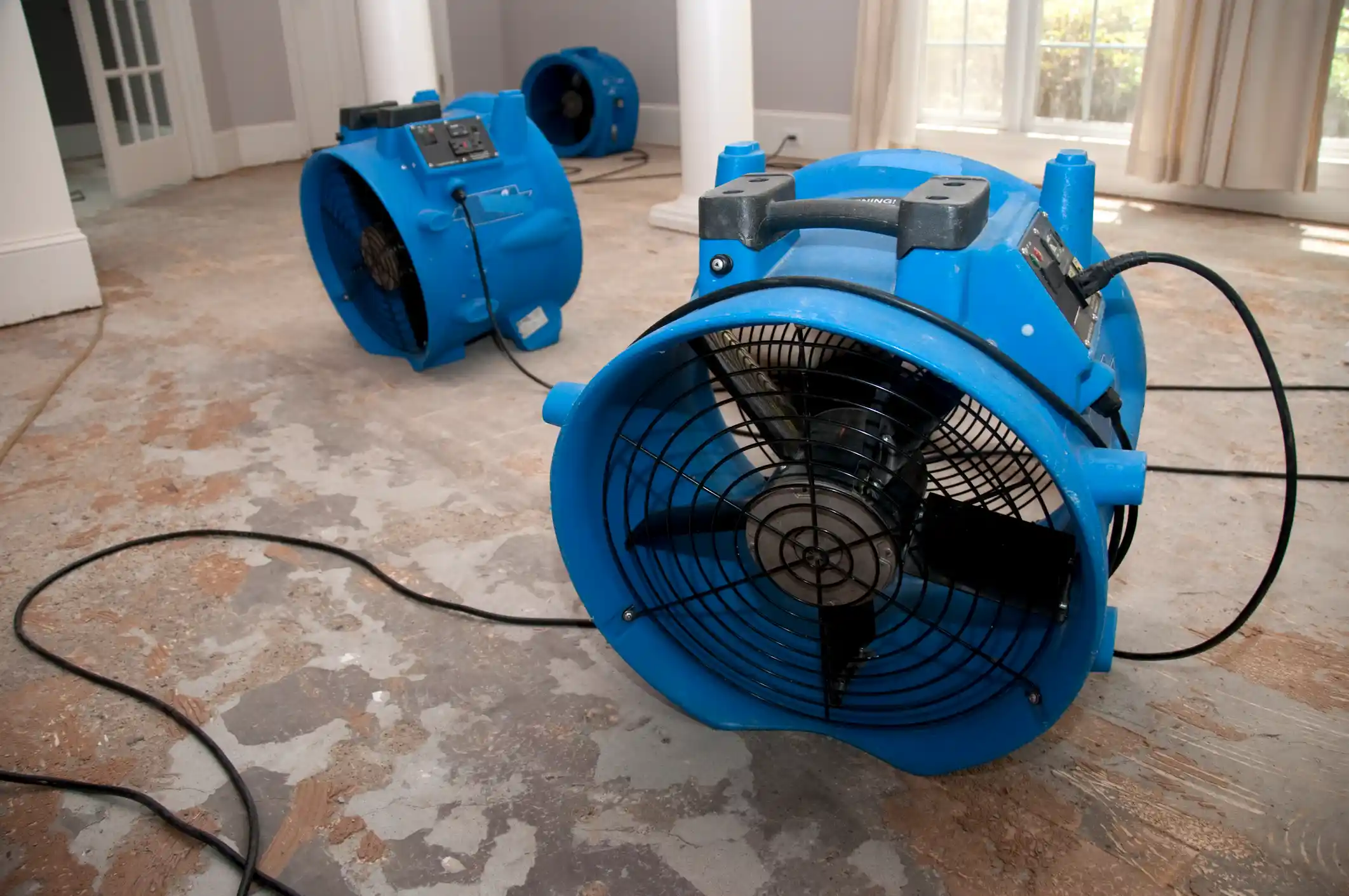
TYPES OF SEWAGE BACKUP WE REMEDIATE
Sewage Cleanup Situations We Handle in Charleston
Municipal Sewer Overload
During heavy rain events and peak hurricane runoff, Charleston's municipal sewer system can exceed capacity, forcing sewage back into homes through floor drains, basement toilets, and utility sink drains. This is the most common sewage backup scenario in Charleston and can affect multiple properties simultaneously.
Tree Root Intrusion
Mature trees throughout Charleston's established neighborhoods — cottonwoods, elms, and willows near older lateral sewer lines — send roots into pipe joints seeking moisture. Root intrusion gradually blocks and eventually collapses lateral sewer lines, causing backup into the lowest-level fixtures of a home.
Garage & Vehicle Fires
Kitchen grease accumulation, soap scum, and debris buildup in lateral lines create blockages that eventually cause backup. Floor drains in laundry rooms and bathrooms are most often the first fixtures to show sewage overflow when a line becomes sufficiently blocked.
Failed Sewer Line Sections
Many Charleston homes built before 1970 have clay or Orangeburg sewer lateral lines that have deteriorated significantly. When these aging lines collapse or separate at joints, sewage can back up into the home or discharge into the soil. We coordinate with licensed plumbers for line repair as part of complete remediation.
Basement Floor Drain Backup
Basement floor drains are the most vulnerable entry point for sewage backup in Charleston homes. When the main line backs up, floor drains — being the lowest fixture — are typically the first to overflow. Older homes often lack backflow preventers that would stop this from occurring.
Toilet & Fixture Overflow
Toilet overflow from a sewage backup event contaminating bathroom floors, walls, and subfloor materials requires full Category 3 decontamination protocol — not simply mopping the floor. We remove contaminated flooring, treat subfloor materials with EPA disinfectants, and restore the area to fully sanitary condition.
OUR SEWAGE CLEANUP PROCESS
How We Clean Up Sewage in Charleston
Emergency Response — 45 Min
Call (843) 604-1371 any time. We dispatch certified technicians with full PPE and Category 3-rated extraction equipment immediately. Do not re-enter contaminated areas.
Contamination Assessment
We assess the full extent of contamination — including secondary spread paths into walls, subfloors, and HVAC systems — and identify the source of backup for repair coordination.
Category 3 Water Extraction
Contaminated water is extracted using Category 3-rated equipment. All extraction materials and water are disposed of following EPA guidelines for biohazard waste.
Contaminated Material Removal
All porous materials that contacted sewage — carpet, pad, drywall, insulation, wood subfloor — are removed and disposed of as biohazard material.
EPA Disinfection
All surfaces that contacted sewage — including concrete, studs, joists, and non-porous finishes — are treated with EPA-registered disinfectants for Category 3 black water decontamination.
Structural Drying
After decontamination, affected structural components are dried with commercial dehumidifiers and air movers to prevent residual moisture from creating mold growth in the remediated area.
Insurance Coordination
We document all contamination, removal, and decontamination work for your insurance claim. We communicate directly with your insurer and manage the claims process throughout.
Rebuild & Restoration
New drywall, flooring, and finishes restore your property to pre-loss condition. Final inspection verifies the area is fully sanitary and structurally sound before project close-out.
Sewage Backup? Evacuate and Call Immediately.
Do not attempt to clean sewage backup yourself. Call Right-Now Restoration for 24/7 certified biohazard response across Charleston.
CALL (843) 604-1371 — BIOHAZARD RESPONSERELATED SERVICES
Related Restoration Services in Charleston
Water Damage Restoration
24/7 extraction, drying, and full structural restoration for all water damage events in the South Carolina Lowcountry region.
Fire Damage Restoration
Board-up, smoke removal, and complete rebuild for fire and smoke damage in Charleston homes.
Mold Remediation
Post-water-damage mold assessment, containment, full remediation, and clearance testing.
Storm Damage Restoration
Winter rain floods, hail, wind, and flash flood damage restoration across the South Carolina Lowcountry region.
Flood Cleanup
Rapid extraction and drying for basement flooding and storm-related water intrusion.
Burst Pipe Repair
Rapid extraction and drying for basement flooding and storm-related water intrusion.
WHERE WE WORK
Sewage Cleanup Service Area — South Carolina Lowcountry region
Right-Now Restoration provides 24/7 certified sewage cleanup across the South Carolina Lowcountry region:
FREQUENTLY ASKED QUESTIONS
Sewage Cleanup — Charleston FAQ
Is sewage backup dangerous?
Yes. Sewage is Category 3 black water containing harmful bacteria including E. Coli and Salmonella, viruses, and other pathogens. Do not attempt cleanup — evacuate and call Right-Now Restoration at (843) 604-1371 for certified biohazard response.
What causes sewage backup in Charleston homes?
Common causes include municipal sewer overload during heavy rain and hurricane runoff events, tree root intrusion into aging lateral lines, grease or debris blockages, and failing sewer line sections in older Charleston neighborhoods with clay or Orangeburg pipe.
Is sewage backup covered by homeowners insurance?
Many homeowners insurance policies include a sewer backup endorsement that covers cleanup costs, but this is typically not included in standard policies — it must be added separately. Check your policy and call us regardless — we'll document everything to support your claim.
How long does sewage cleanup take?
A contained sewage backup in a single bathroom or basement area typically takes 2–4 days to safely extract, decontaminate, remove unsalvageable materials, and initiate structural drying. More extensive contamination may take longer.
Can I stay in my home during sewage cleanup?
It depends on the extent of contamination and affected areas. In many cases, families can remain in unaffected areas while we establish containment zones. If contamination is widespread or HVAC systems are involved, temporary relocation may be advisable. We'll give you a specific recommendation after our assessment.
WHAT OUR CUSTOMERS SAY
Trusted by Charleston Homeowners
"Our basement floor drain backed up during a heavy rain. Right-Now handled it as a Category 3 event, cleaned everything properly, and had documentation ready for our insurance adjuster within 24 hours."
"Tree roots had gotten into our sewer line and we had sewage in our laundry room. Right-Now cleaned everything, coordinated with our plumber for the line repair, and handled our insurance."
"Sewage backup during a spring storm hit our finished basement. Right-Now was on-site within the hour with full protective gear and handled everything properly. We feel safe in our home again."
Sewage Backup in Charleston?
Evacuate the affected area and call us immediately — certified biohazard response available 24/7 across the South Carolina Lowcountry region.
(843) 604-1371 CALL NOW — BIOHAZARD RESPONSE