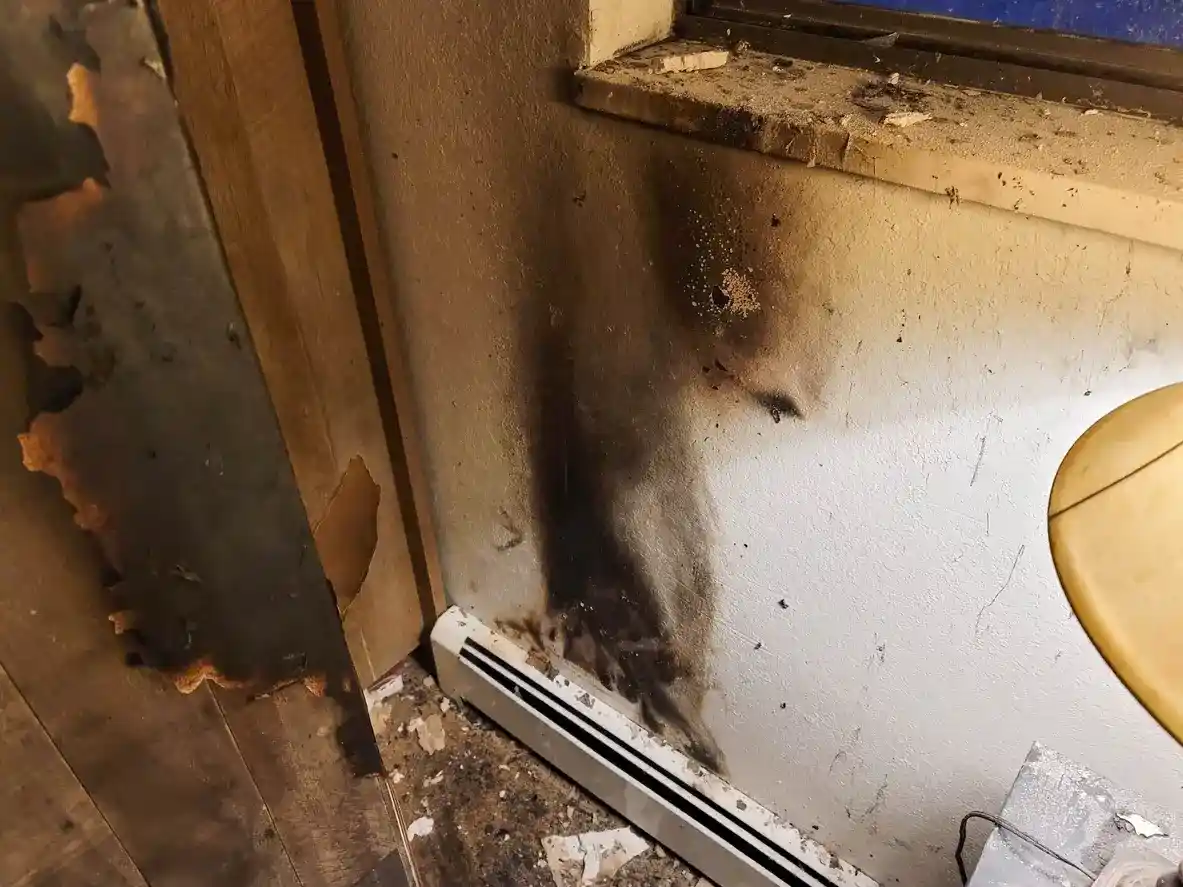
Smoke & Soot Removal
Washington, DC
Smoke and soot damage doesn't stop at the burn zone. Toxic residues travel through your entire home via HVAC ductwork, wall cavities, and air currents — damaging surfaces and creating health hazards far from the original fire. Right-Now Restoration provides certified smoke and soot remediation across Washington, including wildfire smoke infiltration treatment unique to the Mid-Atlantic region.
By submitting, you agree to receive calls and texts from Right-Now Restoration. Consent is not required for service. Reply STOP to opt out. Msg & data rates may apply. View our Privacy Policy.


WASHINGTON SMOKE DAMAGE SPECIALISTS
Smoke Damage in Washington — Beyond What You Can See
Smoke is deceptive. The visible soot and char marks in the burn area are only part of the problem. Smoke infiltrates HVAC systems and distributes fine particles throughout a home with every heating and cooling cycle. It penetrates porous materials — drywall, wood, insulation, soft furnishings — and embeds toxic compounds that are impossible to remove with ordinary cleaning.
Washington has a smoke problem that goes beyond house fires. Each summer and fall, Shenandoah National Park and Blue Ridge wildfires can blanket DC Metro with smoke for days or weeks. During inversion conditions — when the valley's infamous atmospheric lid traps air near the ground — wildfire smoke concentrates and infiltrates homes, requiring professional treatment to restore safe indoor air quality.
Right-Now Restoration addresses smoke damage at the molecular level using thermal fogging, ozone treatment, and hydroxyl generation — not surface cleaning alone. Our technicians are trained to IICRC S770 standards with specialized equipment for both acute fire events and chronic wildfire smoke infiltration.
CALL NOW — (202) 873-8667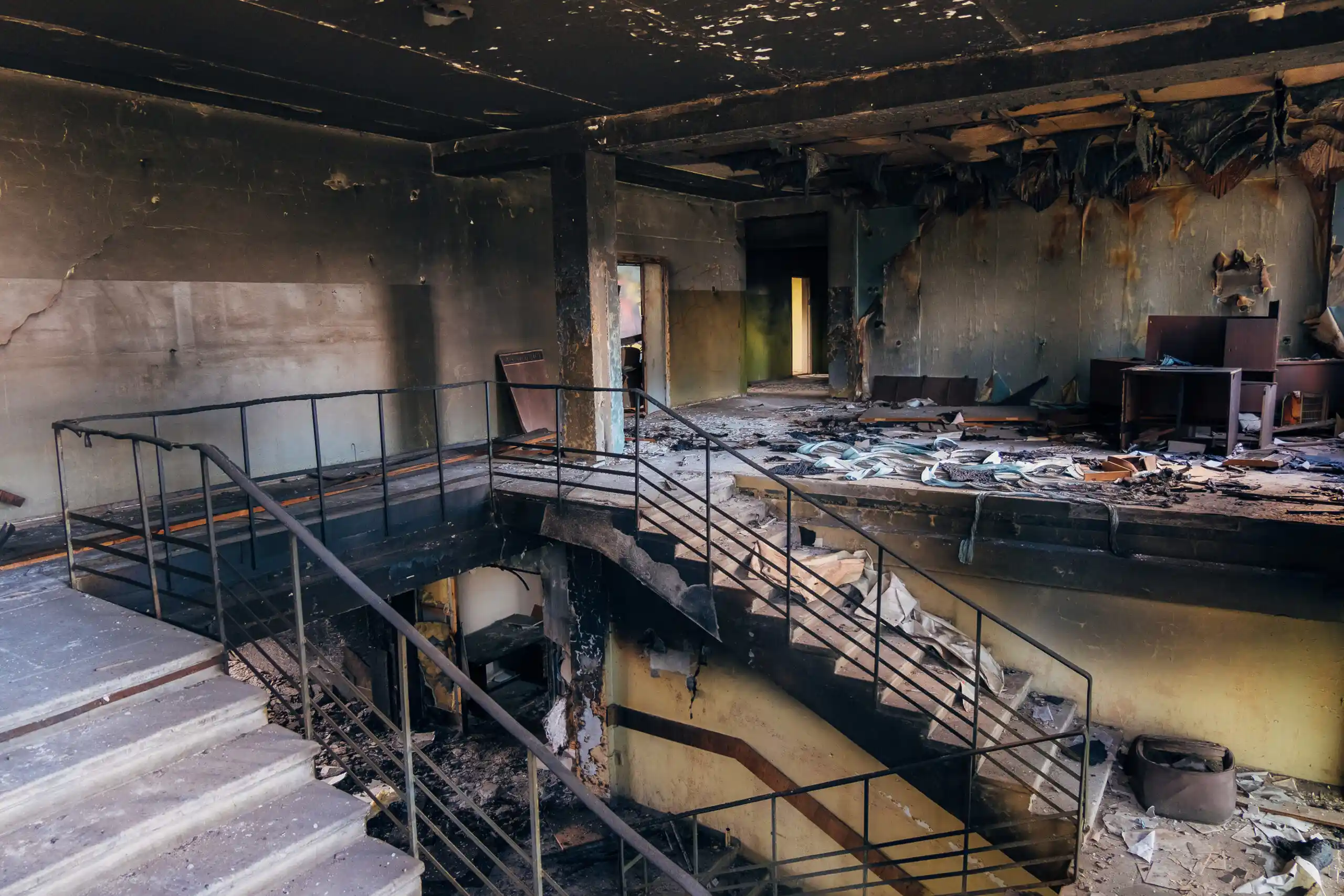
TYPES OF SMOKE DAMAGE WE TREAT
Every Type of Smoke & Soot Damage in Washington
Protein Smoke (Cooking Fires)
Kitchen and cooking fires produce virtually invisible protein-based smoke residue that bonds aggressively to surfaces and has a strong, unpleasant odor. Protein smoke requires specialized enzymatic cleaners to break down and is especially difficult to remove from painted surfaces, cabinets, and HVAC components.
Dry Smoke (Fast-Burning Materials)
Fast-burning, high-temperature fires produce dry, powdery soot that is easier to vacuum but has deeply penetrated porous materials. We use HEPA vacuuming followed by dry chemical sponge cleaning before wet cleaning methods to avoid spreading the residue.
Wet Smoke (Slow-Burning Materials)
Low-heat fires burning plastic, rubber, or synthetic materials produce thick, sticky wet smoke residue that smears easily and has an acrid odor. Wet smoke is the most difficult soot to clean because improper techniques spread the residue further and set stains permanently into porous materials.
Wildfire Smoke Infiltration
Unique to the Mid-Atlantic region environment, wildfire smoke from canyon fires deposits fine PM2.5 particles throughout homes even without direct fire damage. During inversion conditions, smoke concentrations in the Mid-Atlantic region can reach hazardous indoor levels requiring HVAC cleaning and air scrubbing to fully resolve.
Electrical Fire Smoke
Electrical fires in walls and panels produce smoke that travels through wall cavities and electrical conduits, depositing soot inside walls on surfaces in rooms far from the ignition point. This hidden soot is often overlooked in DIY cleanup, leaving toxic residue sealed behind repaired drywall.
HVAC System Smoke Contamination
HVAC ductwork acts as a distribution system for smoke particles, spreading soot residue throughout the entire home as the system operates. Contaminated ductwork continues releasing particles into living spaces long after the fire is out. We coordinate professional duct cleaning as part of every comprehensive smoke damage project.
OUR SMOKE REMEDIATION PROCESS
How We Remove Smoke & Soot in Washington Homes
Emergency Assessment
We assess the full extent of smoke and soot damage throughout the structure, including HVAC system inspection and air quality testing to establish baseline contamination levels.
HEPA Air Scrubbing
Commercial HEPA air scrubbers begin running immediately to remove airborne particles. Air scrubbers run continuously throughout the project, cycling the structure’s air volume multiple times per hour.
Soot Cleaning — All Surfaces
Using dry chemical sponges for porous surfaces and wet chemical solutions for non-porous materials, we clean all soot-affected surfaces using the appropriate technique for each type of smoke residue present.
Contents Cleaning & Restoration
Smoke-affected contents are cleaned using ultrasonic cleaning, dry cleaning, and ozone treatment. Salvageable contents are restored; unsalvageable items are documented for insurance replacement.
Thermal Fogging
A deodorizing agent converts to a fine mist that penetrates all porous surfaces smoke reached, neutralizing odor-causing molecules at their source rather than masking them with fragrance.
Ozone or Hydroxyl Treatment
Ozone or hydroxyl generators complete the odor neutralization process, chemically altering smoke odor molecules throughout the structure — in wall cavities, under flooring, and inside ductwork.
HVAC System Cleaning
Soot-contaminated ductwork is professionally cleaned to prevent ongoing distribution of smoke particles. Filters, coils, and components are inspected and serviced as needed.
Rebuild & Final Air Testing
Structural components are rebuilt and repainted. Final air quality testing verifies that particle counts and odor levels have returned to acceptable baseline levels before project close-out.
Smoke or Soot Damage? Call Right-Now.
Every hour smoke residue remains, it bonds more deeply to surfaces. Call now for immediate professional assessment across Washington.
CALL (202) 873-8667 — FREE ASSESSMENTRELATED SERVICES
Related Restoration Services in Washington
Water Damage Restoration
24/7 extraction, drying, and full structural restoration for all water damage events in the Mid-Atlantic region.
Fire Damage Restoration
Board-up, smoke removal, and complete rebuild for fire and smoke damage in Washington homes.
Mold Remediation
Post-water-damage mold assessment, containment, full remediation, and clearance testing.
Storm Damage Restoration
Winter rain floods, hail, wind, and flash flood damage restoration across the Mid-Atlantic region.
Flood Cleanup
Rapid extraction and drying for basement flooding and storm-related water intrusion.
Burst Pipe Repair
Emergency Mid-Atlantic region freeze burst pipe cleanup — on-site within 45 minutes year-round.
WHERE WE WORK
Smoke & Soot Removal Service Area — Mid-Atlantic region
Right-Now Restoration provides smoke and soot remediation across the Mid-Atlantic region:
FREQUENTLY ASKED QUESTIONS
Smoke & Soot Removal — Washington FAQ
Can smoke and soot damage spread beyond the fire area?
Yes. Smoke travels through HVAC ductwork, wall cavities, and ceiling assemblies, depositing toxic soot on surfaces throughout the entire structure — not just in the room where the fire occurred. Professional smoke damage restoration must address the whole structure to be truly effective.
What is thermal fogging and how does it remove smoke odor?
Thermal fogging converts a deodorizing chemical agent into an ultra-fine mist that penetrates the same porous surfaces smoke infiltrated — including wall cavities, insulation, and upholstery — neutralizing odor-causing molecules at the molecular level.
How long does smoke and soot removal take?
Yes. Wildfire smoke contains extremely fine PM2.5 particulate matter that infiltrates HVAC systems, settles into porous materials, and can create indoor air quality hazards throughout a home even without any direct fire damage. During inversion periods in the Mid-Atlantic region, wildfire smoke concentrations indoors can reach unhealthy levels requiring professional HVAC cleaning and air scrubbing.
Is smoke damage from wildfire smoke different from house fire smoke?
Yes. Wildfire smoke contains extremely fine PM2.5 particulate matter that infiltrates HVAC systems, settles into porous materials, and can create indoor air quality hazards throughout a home even without any direct fire damage. During inversion periods in the Mid-Atlantic region, wildfire smoke concentrations indoors can reach unhealthy levels requiring professional HVAC cleaning and air scrubbing.
Do you handle HVAC cleaning after smoke damage?
Yes. Soot-contaminated HVAC ductwork is a critical part of every comprehensive smoke damage restoration project. We coordinate professional duct cleaning — with before-and-after documentation — to ensure smoke particles are not being continuously distributed through your home.
WHAT OUR CUSTOMERS SAY
Trusted by Washington Homeowners
"A kitchen fire left smoke smell throughout our entire house. Right-Now cleaned every room, treated our HVAC system, and used thermal fogging to eliminate the odor completely. "
"Wildfire smoke from canyon fires had settled into our home after weeks of bad air quality. Right-Now cleaned our ductwork, ran HEPA scrubbers, and restored our indoor air quality. Incredible difference."
"The soot from a bedroom electrical fire had spread to our whole second floor through the HVAC. Right-Now found it all, cleaned everything, and handled our insurance claim. Professional from day one."
Smoke or Soot Damage in Washington?
Don't wait — every hour increases permanent bonding. Call for immediate professional assessment across the Mid-Atlantic region.
(202) 873-8667 CALL NOW — FREE ASSESSMENT