What to Do After a House Fire: A Homeowner's Checklist
A house fire is one of the most traumatic experiences a homeowner can face. Once the fire is out, the next steps often feel just as daunting. Knowing what to do immediately after a fire can help you protect your property, your health, and your financial recovery.
Use this six-step checklist to move forward with confidence.
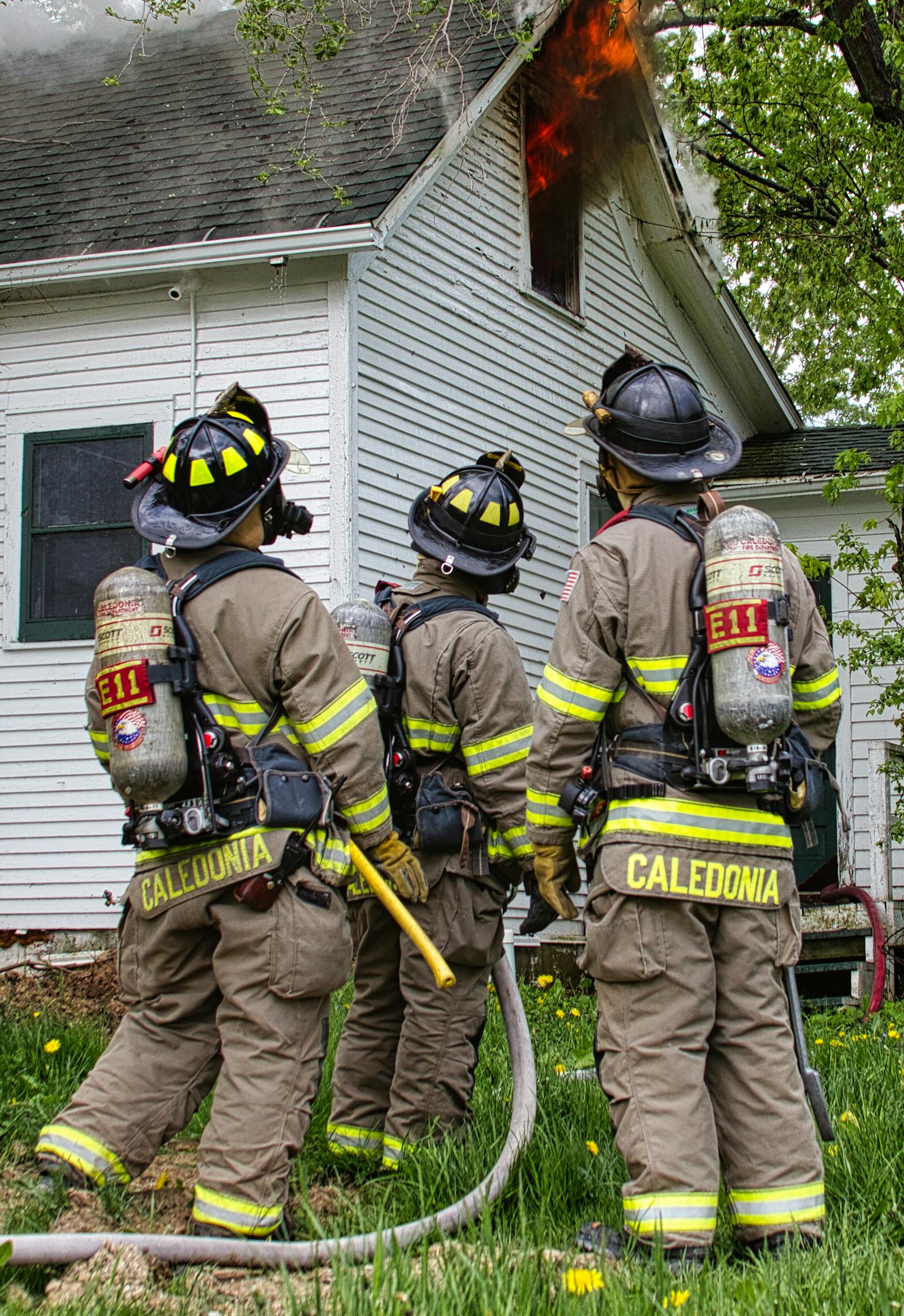
Prioritize Safety First
Even after the flames are extinguished, your home may still pose serious risks.
- Do not re-enter your home until authorities say it's safe.
- Watch for structural damage, loose debris, and weakened floors.
- Be cautious of smoke, soot, and toxic fumes lingering in the air.
- Turn off utilities if they haven't already been shut down.
Your safety — and your family's — comes first. Nothing inside the home is worth risking injury. Ask the fire department for a safety clearance and guidance on when limited re-entry is allowed.
Contact Your Insurance Company
Filing a claim quickly helps speed up the recovery process.
- Notify your insurance provider as soon as possible.
- Ask about temporary housing coverage if your home is uninhabitable.
- Document the damage with photos and videos.
- Request a copy of your policy to understand your coverage.
The sooner you start the claims process, the sooner restoration can begin.
Secure Your Property
After a fire, your home may be vulnerable to further damage or theft.
- Board up broken windows and doors.
- Cover damaged roofing with tarps.
- Remove valuable or salvageable items if safe to do so.
- Prevent additional damage from weather exposure.
Emergency restoration companies like Right-Now Restoration can handle this quickly and professionally.
Begin Damage Assessment
Understanding the full scope of the damage is critical.
- Identify areas affected by fire, smoke, and water.
- Separate salvageable items from total losses.
- Avoid DIY deep cleaning — improper handling can worsen damage.
- Wait for professionals to assess structural integrity.
Fire damage often extends beyond what you can see, especially when smoke and soot are involved. Soot has the potential to permanently stain surfaces within hours, so prompt professional evaluation is key.
Start the Restoration Process
This is where recovery truly begins.
- Hire a trusted emergency restoration company.
- Begin smoke and soot removal.
- Address water damage from firefighting efforts.
- Use specialized equipment for odor removal and air purification.
- Repair and rebuild damaged areas of your home.
Professional fire damage restoration ensures your home is safe, clean, and fully restored — not just cosmetically repaired. Choose a company that offers 24/7 emergency response to minimize damage and accelerate recovery.
Take Care of Yourself and Your Family
The emotional toll of a house fire is just as real as the physical damage.
- Lean on friends, family, or local support groups.
- Replace essential items like clothing and medications.
- Maintain routines as much as possible.
- Seek professional help if needed.
Recovery is not just about rebuilding your home — it's about restoring your peace of mind. The American Red Cross and local community organizations often provide immediate assistance after a fire.
Rebuild Stronger with Right-Now!
Recovering from a house fire is hard, but you don't have to go through it alone. Right-Now Restoration is ready 24/7 to help you secure, clean, and rebuild your property quickly and professionally.